
Rotational molding, often called rotomolding, is a manufacturing technique that transforms raw plastic into hollow, seamless objects. While it’s commonly used for large items like tanks, it’s also ideal for producing pickleball balls—those lightweight, perforated balls central to the fast-growing sport of pickleball. This blog explores the step-by-step process of making rotational molded pickleball balls, blending material science, precise engineering, and thermal processing to create a high-quality product.
The process starts with selecting the right materials. Polyethylene (PE), a thermoplastic, is the go-to choice for pickleball balls due to its excellent moldability, impact resistance, and ability to withstand weather changes. To boost performance, manufacturers mix polyethylene with additives like antioxidants, UV stabilizers, and toughening agents. These enhance the ball’s durability and longevity, ensuring it can handle intense gameplay and outdoor conditions.
For high-end pickleball balls, a composite of polyethylene and polyolefin elastomers may be used. This blend improves elasticity and toughness, giving players a ball that performs better and lasts longer. The raw materials are carefully measured and blended to a precise formula, setting the stage for a consistent, reliable product.
Mold Design and Manufacturing: Precision Matters
Next comes the mold—the heart of the rotational molding process. The mold must be designed to match the pickleball ball’s exact dimensions, shape, and performance needs. It requires strength to endure repeated heating and cooling cycles, as well as precision to produce balls that meet strict standards.
Manufacturers use advanced techniques like CNC machining to craft these molds. This ensures high accuracy and a smooth surface finish, both critical for creating pickleball balls with uniform thickness and flawless exteriors. A well-made mold is the key to consistent production and top-quality results.
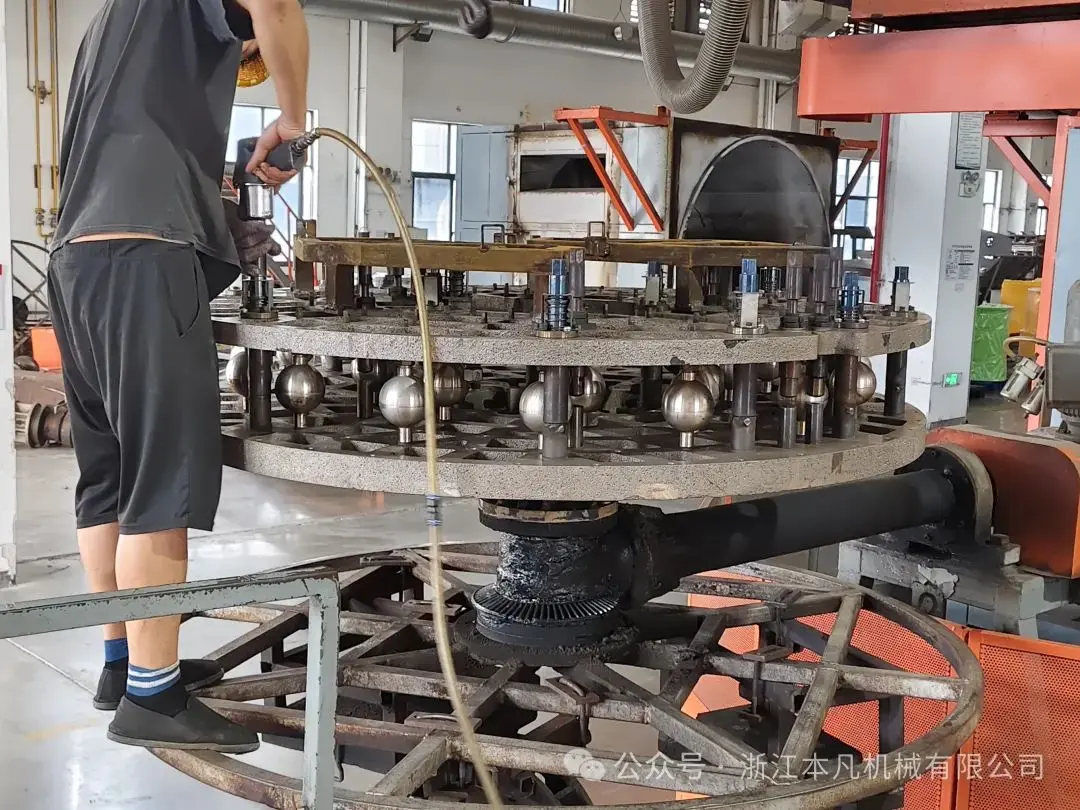
Rotational Molding: Heat, Spin, and Shape
With materials ready and molds prepared, the rotational molding process begins. It’s a carefully orchestrated sequence of steps:
- Loading the Mold: The blended plastic is measured and poured into the mold, which is then sealed tightly to prevent leaks during rotation.
- Heating and Rotating: The mold enters a rotational molding machine, where it’s heated while spinning along two perpendicular axes. This dual-axis rotation ensures the molten plastic spreads evenly across the mold’s inner surface. The heat—controlled precisely—melts the plastic without degrading it, forming the hollow pickleball shape.
- Cooling and Solidifying: After heating, the mold moves to a cooling area. Forced air or water sprays cool the mold, hardening the plastic into its final form. This step locks in the shape and prepares the ball for removal.
Demolding and Post-Processing: Perfecting the Product
Once cooled, the mold is opened, and the pickleball is removed. But the work isn’t done yet—several finishing steps ensure the ball meets quality standards:
- Trimming: Excess plastic, such as burrs or flash, is cut away to give the ball a clean, polished look.
- Quality Inspection: Each ball is tested for dimensions, weight, appearance, and elasticity. Only those meeting all criteria move forward.
- Drilling Holes: Unlike most rotomolded products, pickleballs need holes for gameplay. Specialized drilling equipment creates these holes at marked spots. The process is slow and steady, with controlled pressure to ensure uniformity and compliance with sport regulations.
These steps refine the raw molded ball into a finished product ready for the court.
Packaging and Storage: Ready for Delivery
After passing inspection and drilling, the pickleballs are packaged. Plastic bags or cardboard boxes are typically used to protect them from damage during shipping and storage. Once packed, the balls are stored in a warehouse, awaiting distribution to retailers or players.
Proper packaging is simple but essential—it keeps the product intact from factory to end user.
Key Considerations: Quality at Every Step
To produce top-tier pickleball balls, manufacturers focus on three critical areas:
- Material Control: High-quality raw materials are non-negotiable. Every batch must meet strict standards to ensure consistent performance.
- Process Control: During molding, parameters like heating temperature, rotation speed, and cooling time are tightly monitored. Even slight deviations can affect the final product.
- Quality Management: A robust system oversees every stage, catching and correcting issues to maintain high standards.
These principles underpin the entire process, ensuring each pickleball is reliable and ready for play.
Conclusion
Producing rotational molded pickleball ball is a blend of science and craftsmanship. From choosing durable polyethylene to designing precise molds, molding with heat and rotation, and finishing with careful trimming and drilling, every step contributes to the final product’s quality. By prioritizing material selection, process precision, and rigorous quality checks, manufacturers create pickleballs that meet the demands of players and the sport’s standards. Next time you pick up a pickleball ball, consider the intricate process behind it—a small marvel of modern manufacturing.