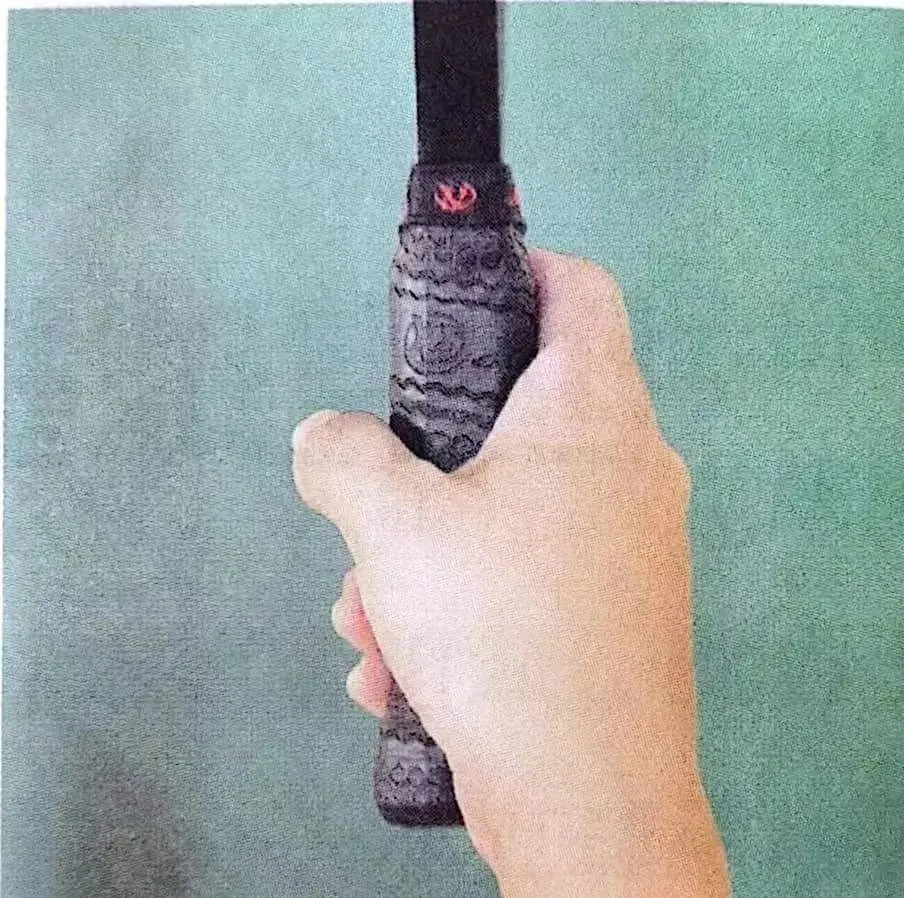
How to Hold a Pickleball Paddle with the Continental Grip
To use the Continental grip, position your hand so the “V” shape formed by your thumb and index finger aligns with the intersection of the paddle handle’s top plane and the upper-left beveled edge. Your palm should rest comfortably against the handle, with your fingers naturally wrapping around it.
Advantages of the Continental Grip
The Continental grip is often called the “shake hands” grip because it mimics a natural handshake motion. Its key advantage is versatility: you don’t need to adjust your grip when switching between forehand and backhand shots. This makes it ideal for fast-paced net play, such as volleys, where quick transitions between offense and defense are essential. It’s also effective for baseline shots, overhead smashes, and dinks, especially for players with strong arm and wrist strength.
When to Use It
This grip shines in situations requiring rapid reactions, like net volleys or defensive blocks. It’s particularly beginner-friendly because it allows you to hit the ball without overthinking paddle face angles—just point and swing. If you’re new to pickleball or prefer a grip that handles a variety of shots without adjustment, the Continental grip is a great starting point.
The Eastern Grip: Power and Spin Options
The Eastern grip comes in two variations: forehand and backhand. Each offers distinct benefits for players seeking more control over power and spin.
Eastern Forehand Grip
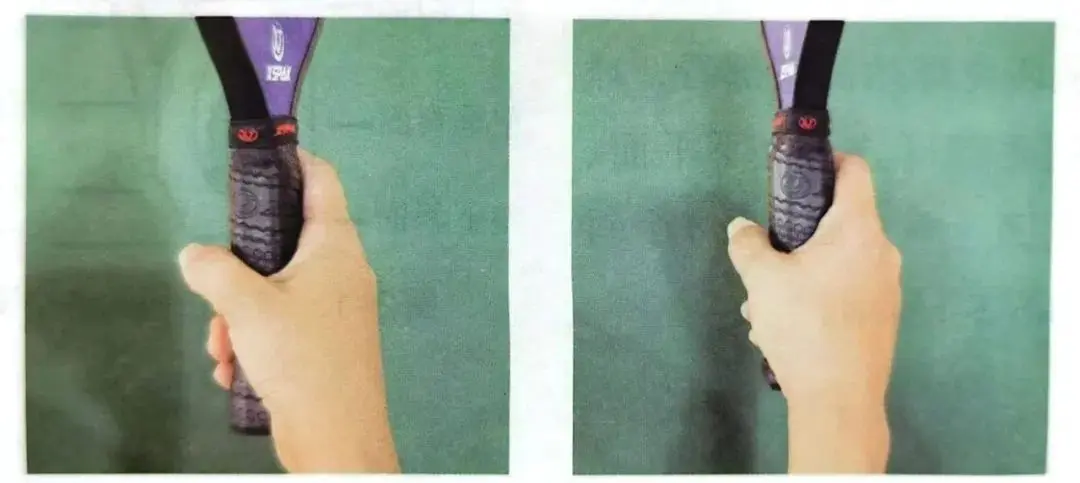
How to Hold a Pickleball Paddle with the Eastern Forehand Grip
For the Eastern forehand grip, align the “V” of your thumb and index finger with the intersection of the paddle handle’s top plane and the upper-right beveled edge. Your palm presses against the handle, and your fingers wrap around naturally.
Advantages
This grip excels at generating power on forehand shots, making it perfect for flat drives or topspin shots. It offers flexibility, allowing you to transition to other grips if needed, and provides a solid foundation for aggressive baseline play.
Eastern Backhand Grip
How to Hold a Pickleball Paddle with the Eastern Backhand Grip
For the Eastern backhand grip, shift the “V” to the upper-left beveled edge of the handle. Again, your palm stays flush with the handle, and your fingers grip comfortably.
Advantages
The backhand variation enhances backhand power and spin, ideal for players who rely on strong defensive or counterattacking shots. It’s particularly useful for hitting topspin or driving the ball with force from the backcourt.
When to Use the Eastern Grip
The Eastern grip suits players comfortable with slight grip adjustments between shots. It’s best for balls between knee and waist height, offering optimal power and spin control. Advanced players often favor it for its adaptability, while beginners might find it trickier due to the need to tweak the grip for forehand versus backhand.
Choosing the Right Grip for You
So, how do you decide how to hold a pickleball paddle? The answer depends on your skill level, physical ability, and the shot you’re facing. Here’s a quick guide:
- Beginners: Start with the Continental grip. Its simplicity reduces overthinking, letting you focus on footwork and timing. It’s forgiving for low shots (below the knee) and doesn’t require constant adjustments.
- Intermediate Players: Experiment with the Eastern grip for more power and spin. It’s ideal for shots between knee and waist height and allows you to develop a more aggressive style.
- Advanced Players: Switch between grips based on the situation. Use Continental for net play and quick volleys, and Eastern for baseline rallies or spin-heavy shots.
- Physical Considerations: Kids, women, or players with less arm strength might prefer the Continental grip for its ease, while stronger players can leverage the Eastern grip’s power potential.
For example, a low ball below knee level is easier to scoop up with a Continental grip, while a waist-high shot might benefit from the Eastern grip’s topspin capability. Practice both to find your sweet spot.
Paddle Face Angles: Fine-Tuning Your Shots
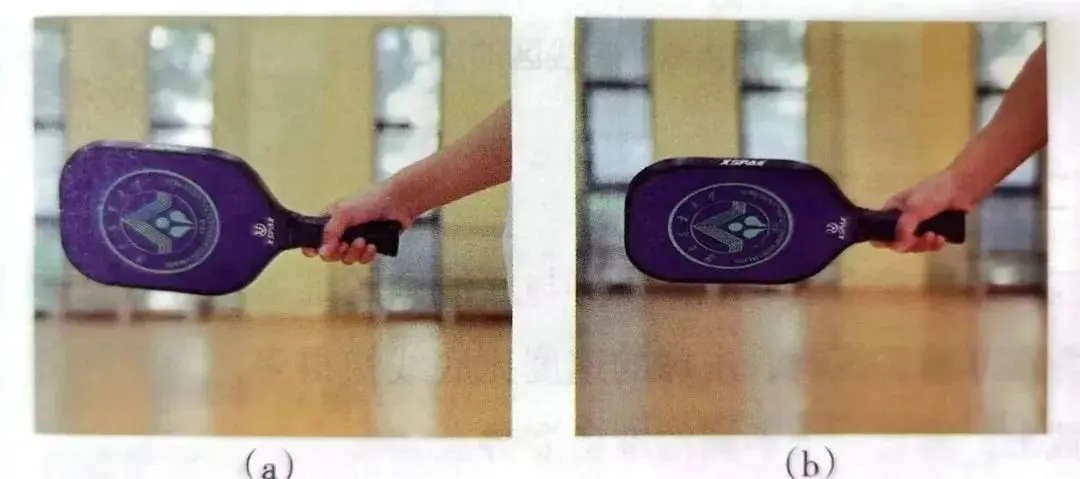
Beyond grip style, the angle of your paddle face when striking the ball dramatically affects its flight. Here are the three main paddle face angles and their uses:
1. Vertical Paddle Face
- Description: The paddle face is perpendicular to the ground, hitting the ball’s rear-middle section.
- Effect: Produces a flat, low shot with minimal spin.
- Best For: Forehand and backhand drives, serves, and volleys where you want the ball to stay low over the net.
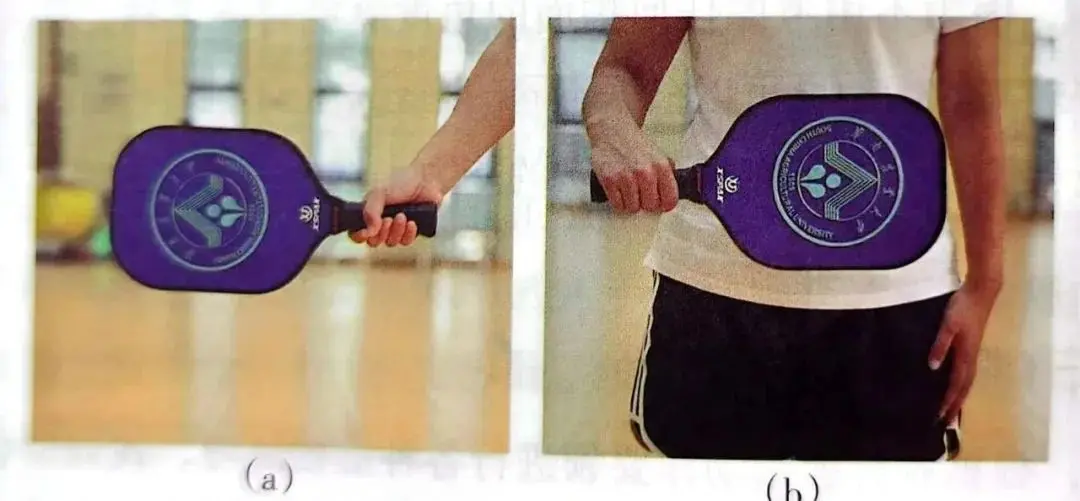
2. Open Paddle Face
- Description: The paddle face tilts upward (angle greater than 90 degrees to the incoming ball), contacting the ball’s lower-middle section.
- Effect: Lifts the ball higher with potential for topspin or a soft arc.
- Best For: Low balls (below net height), lobs, dinks, and serves requiring height to clear the net.
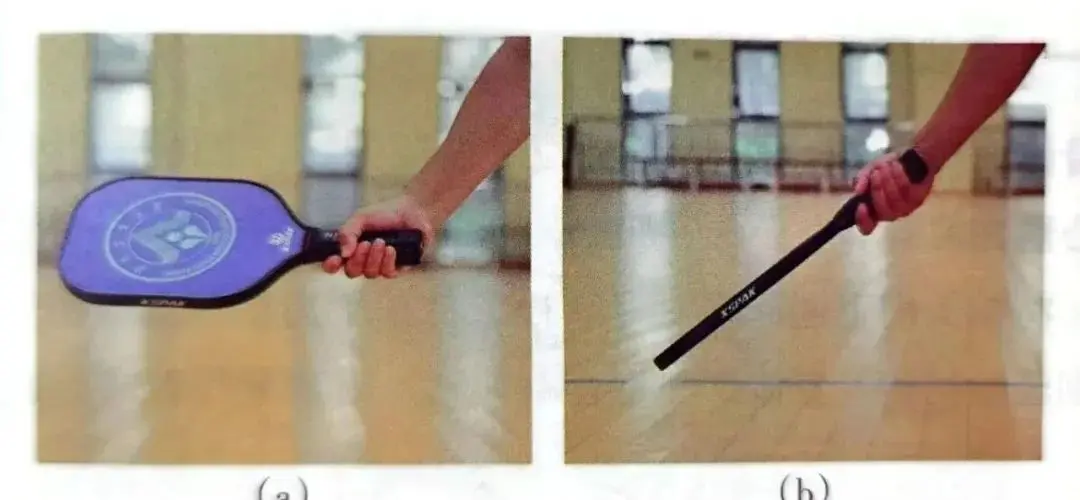
3. Closed Paddle Face
- Description: The paddle face tilts downward (about a 45-degree angle), hitting the ball’s upper surface.
- Effect: Drives the ball downward with topspin if paired with an upward swing; otherwise, it risks netting.
- Best For: Smashes, high volleys, and topspin shots from the baseline.
Understanding these angles enhances your control. For instance, a vertical face keeps serves low and fast, while an open face helps lift a low dink over the net. A closed face with an adjusted swing can produce a wicked topspin shot that dips quickly.
Practice Tips for Mastering Your Grip
To perfect how to hold a pickleball paddle, practice is key. Try these steps:
- Grip Drills: Hold the paddle in each grip (Continental, Eastern forehand, Eastern backhand) for 10-15 seconds, focusing on hand placement. Repeat until it feels natural.
- Shot-Specific Practice: Pair grips with shots—use Continental for volleys, Eastern for baseline drives. Switch between forehand and backhand to build muscle memory.
- Mirror a Pro: Watch a coach or experienced player demonstrate, then mimic their grip and swing. Reflect on how each grip feels for you and adjust accordingly.
- Experiment with Angles: Hit balls with different paddle face angles (vertical, open, closed) to see how they affect spin and trajectory. Start with slow rallies to build confidence.
Consistency matters more than complexity—stick with one grip until you’re comfortable, then expand your repertoire.
Conclusion
Learning how to hold a pickleball paddle is a game-changer, whether you’re dinking at the net or rallying from the baseline. The Continental grip offers simplicity and speed, while the Eastern grip unlocks power and spin. Paddle face angles add another layer, letting you fine-tune every shot. Start with what feels right for your skill level, practice diligently, and don’t shy away from experimenting. Over time, you’ll discover the grip and angle combinations that suit your unique style, boosting both your confidence and performance on the court. Grab your paddle, hit the court, and see where these techniques take you!