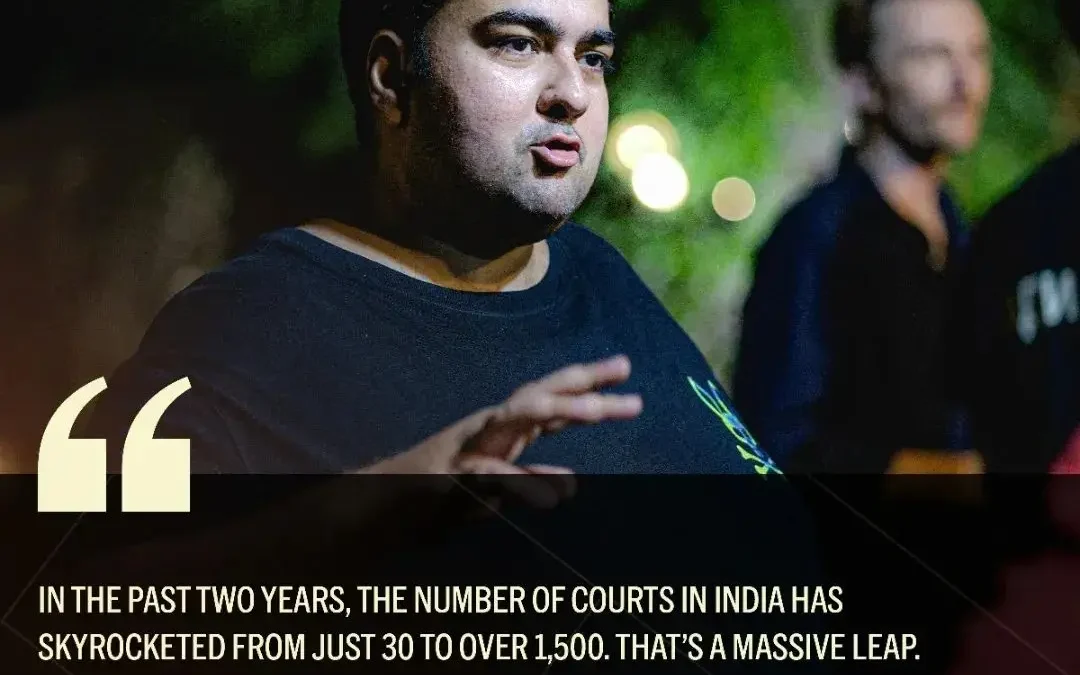
The World Pickleball League (WPBL) marked a historic milestone in 2024 by establishing its first Indian franchise, capitalizing on the country’s rapidly growing sports market. Meanwhile, its domestic competitor, the PWR DUPR India League, faces mounting scrutiny after twice postponing its launch amid allegations of financial mismanagement. This dual narrative—of ambition and instability—highlights both the opportunities and risks shaping pickleball’s global expansion.
WPBL India: Strategic Entry into a Lucrative Market
The WPBL’s India debut attracted elite international players and local attention, bolstered by celebrity endorsements from Bollywood icon Aamir Khan. The league’s calculated entry aligns with India’s status as the world’s fastest-growing sports economy, projected to reach $100 billion by 2027. Industry analysts note the WPBL’s timing is strategic, coinciding with declining interest in traditional Indian Premier League (IPL) franchises and increased investor appetite for niche sports.
Critically, the WPBL has avoided the financial overcommitments plaguing its rival. By focusing on smaller-scale exhibitions and securing phased sponsorship deals, it maintains liquidity—a stark contrast to the PWR DUPR model.
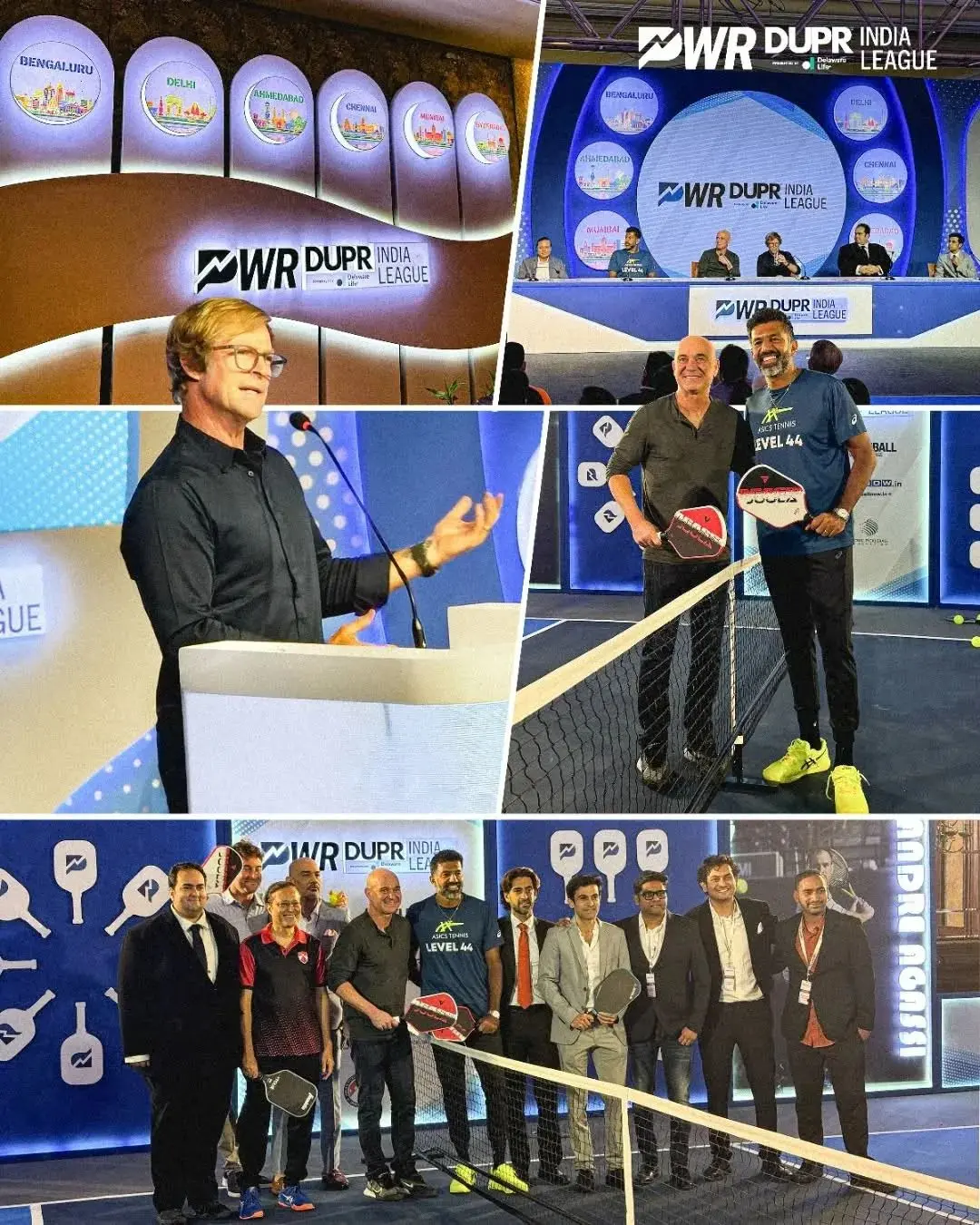
PWR DUPR India League: A Cautionary Tale in Sports Management
Initially slated for January 2024, the PWR DUPR India League has suffered two postponements, with its latest March 17–23 schedule scrapped indefinitely. Sources close to the organization reveal troubling financial practices:
- 10 million investment, intended for league operations, was allegedly diverted by CEO Pranav Kohli for luxury travel, parties, and a Mumbai penthouse.
- Unpaid Athletes: Over 30 internationally contracted players, including Jack Munro and Megan Fudge, have yet to receive guaranteed $15,000 appearance fees.
- Dubai Tournament Collapse: A promised $1.5 million PWR World Series in February 2024 never materialized, eroding stakeholder trust.
This financial disarray contradicts the league’s ambitious promises. Modeled after the U.S.-based Major League Pickleball (MLP), the PWR DUPR aimed to feature 60 professionals across four teams with a $540,000 prize pool. However, its operational failures now threaten broader consequences.

Systemic Risks to Global Pickleball Development
The PWR crisis extends beyond India. With pickleball vying for Olympic inclusion by Los Angeles 2028, governance failures could derail decades of progress. Key concerns include:
Player Exodus: Unpaid athletes may abandon PWR-affiliated events, destabilizing the 2024 World Pickleball Tour. The recent Japan Masters 700 (a PWR event) saw multiple no-shows, signaling growing discontent.
Sponsor Distrust: Corporate backers like the Times Group are unlikely to reinvest in pickleball if financial transparency remains lacking.
Olympic Eligibility: The International Olympic Committee (IOC) prioritizes financial and organizational stability when evaluating new sports. Persistent controversies could exclude pickleball from the 2028 and 2032 Games.
Andre Agassi’s association with PWR—once a credibility booster—now risks reputational damage. The tennis legend has remained silent on the allegations, fueling speculation about his exit.
Comparative Analysis: Why WPBL Succeeds Where PWR Falters
The diverging trajectories of WPBL and PWR DUPR offer lessons for sports entrepreneurs:
| Factor | WPBL India | PWR DUPR India |
|---|---|---|
| Financial Model | Gradual scaling, diversified revenue | High-risk, front-loaded spending |
| Transparency | Public sponsor disclosures | Opaque accounting |
| Player Relations | Clear payment schedules | Contract disputes, delayed salaries |
| Event Execution | Achieved 2024 launch | Multiple postponements |
The WPBL’s restrained approach—prioritizing sustainable growth over hype—resonates with cautious investors. In contrast, PWR’s aggressive $1.5 million prize pledges and lavish marketing campaigns mirror failed ventures like the Indian Boxing League (2017–2019).
The Path Forward: Salvaging Credibility
To avert collapse, PWR must:
Conduct an independent audit of its $10 million funding.
Renegotiate player contracts with upfront payments.
Downscale its 2024 calendar to lower-cost regional tournaments.
Simultaneously, global bodies like the International Pickleball Federation (IPF) should implement stricter financial oversight for sanctioned leagues—a measure critical for Olympic aspirations.
Conclusion: A Pivotal Moment for the Sport
India’s pickleball scene encapsulates the sport’s broader growing pains. While the WPBL demonstrates how to leverage celebrity influence (Aamir Khan) and market timing, the PWR DUPR saga exposes vulnerabilities in unchecked expansion. With $150 million in global pickleball investments at stake in 2024 alone, the industry cannot afford governance failures.
As Los Angeles 2028 looms, stakeholders must choose: Will pickleball evolve into a professionally managed Olympic sport, or remain plagued by the volatility that doomed predecessors like competitive darts? India’s ongoing drama may well decide the answer.