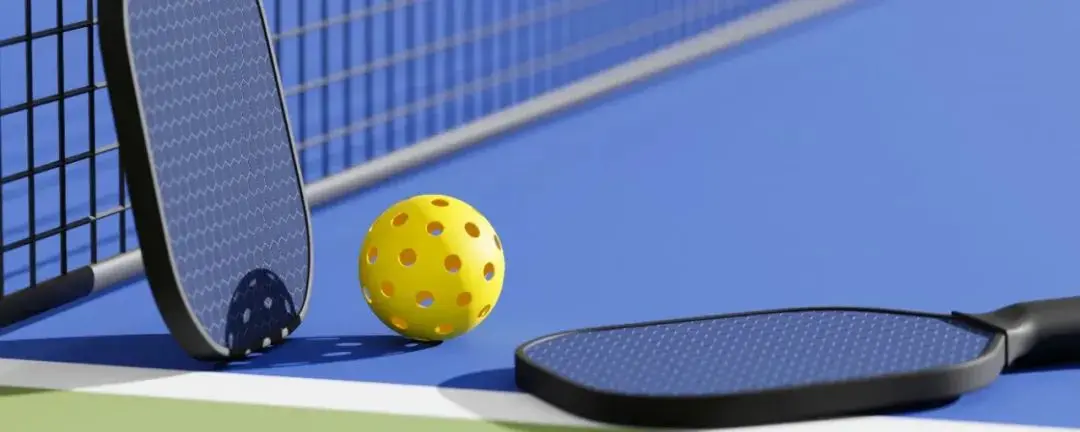
What began as a makeshift family activity on Bainbridge Island, Washington, might soon grace the 25-cent coin as a symbol of American sports culture. Pickleball—a sport blending ping-pong, tennis, and badminton—is now vying for a permanent place in U.S. history through the U.S. Mint’s “Youth Sports” commemorative coin program.
The Youth Sports Coin Program: 58 Contenders, 20 Winners
The U.S. Mint recently announced plans to release 20 coins between 2027 and 2030, each celebrating a popular youth sport. Out of 58 candidates, pickleball has advanced to the public voting stage. Its fate now lies in the hands of Americans, who will rate each sport based on its visual appeal for coin design.
Supporters argue that pickleball’s simplicity and growing popularity make it a strong contender. “This isn’t just about honoring our roots—it’s about inspiring future generations,” said Jeff Pritchard, nephew of pickleball co-founder Joel Pritchard. If selected, the sport would join baseball, basketball, and soccer as cultural touchstones immortalized on currency.
From Summer Boredom to National Obsession
Pickleball’s origin story is as charming as its name. In 1965, three friends on Bainbridge Island improvised a game using ping-pong paddles, a plastic ball, and a badminton court to entertain their restless children. What started as a backyard fix for summer boredom has since exploded into one of America’s fastest-growing sports:
2022: Washington State declared pickleball its official state sport.
2023: Over 35 million Americans played pickleball, with 20% under age 18. Thousands of schools now include it in physical education programs.
Its appeal lies in accessibility: low equipment costs, easy-to-learn rules, and adaptable intensity make it ideal for all ages. Grandparents and grandchildren alike can rally on the same court—a rarity in competitive sports.
Why Pickleball Deserves the Spotlight
1. A Uniquely American Invention
Unlike baseball or basketball, pickleball is one of the few sports invented entirely in the U.S. Its grassroots growth—from homemade courts to professional leagues—reflects the nation’s spirit of innovation.
2. Bridging Generations
With no age barriers, pickleball fosters community. Public parks nationwide now host intergenerational tournaments, reinforcing its role as a social equalizer.
3. Economic and Health Benefits
Affordable equipment (paddles cost under $50) and minimal space requirements make it accessible to low-income families. Its moderate intensity also offers a safe fitness option for seniors, a group increasingly embracing the sport.
Challenges on the Road to Glory
Despite its rise, pickleball faces hurdles:
Court Shortages: Demand outstrips supply, with players scrambling for court time.
Noise Complaints: The sport’s distinctive “pop” sound has sparked neighborhood disputes.
Competition: Established sports like tennis and basketball dominate funding and media attention.
Yet advocates remain optimistic. A spot on the quarter could elevate pickleball from trend to tradition. “Coins circulate in pockets, stores, and piggy banks,” says Pritchard. “Imagine a child finding a pickleball quarter and asking, ‘What’s this game?’ That’s how legacies begin.”
How You Can Shape History
To support pickleball:
- Visit the U.S. Mint’s Youth Sports Coin Program page.
- Rate pickleball’s visual appeal (options range from “Extremely Appealing” to “Not Appealing”).
- Share the campaign on social media using #PickleballQuarter.
Conclusion: More Than Just a Game
Whether pickleball secures its place on the quarter remains uncertain, but its journey mirrors the American dream: a simple idea, born in a backyard, now knocking on the door of national recognition. If chosen, the coin won’t just commemorate a sport—it will celebrate creativity, community, and the power of play to unite generations.
As the voting begins, one thing is clear: pickleball has already won hearts. The question is whether it’ll win a place in America’s pockets too.