
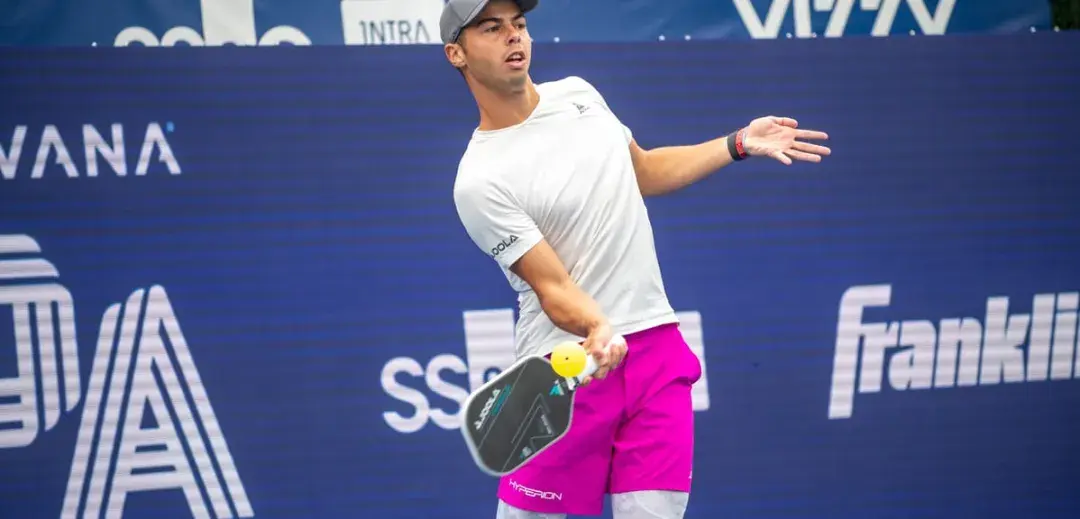
The recent PPA Mesa Cup Mixed Doubles 64-stage tournament became the center of attention after the sport’s first-ever paddle violation under the newly revised UPA-A “Paddle Challenge Rule.” The incident involved Liz Truluck, a professional pickleball player penalized for using a non-compliant paddle, igniting debates about fairness, rule enforcement, and equipment standards in competitive play.
The Incident: A Mid-Match Challenge
During a 64-stage match between Liz Truluck/Eric Roddy and Travis Rettenmaier/Allyce Jones, Rettenmaier and Jones raised concerns about Truluck’s paddle. They alleged that her equipment exhibited signs of delamination—a structural defect where layers of the paddle separate—resulting in excessive power output beyond UPA-A limits.
Under the updated “Paddle Challenge Rule,” opponents can request an immediate equipment inspection mid-game if they suspect a violation. Truluck complied, switching paddles while the contested one was sent to Pickle Pro Labs in Florida for testing. Despite the disruption, Truluck and Roddy secured a decisive 11-4, 11-6 victory.
Lab Results Confirm Violation
Two weeks later, the UPA-A released findings confirming that Truluck’s paddle “exceeded critical performance thresholds” during lab analysis. The ruling triggered penalties:
- $2,500 fine for Truluck
- Forfeiture of ranking points earned at the Mesa Cup
Truluck has yet to publicly address the decision. However, the sanctions mark the first enforcement of the revised challenge rule, designed to deter equipment manipulation in professional tournaments.
Rettenmaier’s Critique: "Rules Must Evolve"
Travis Rettenmaier, a vocal critic of lax equipment oversight, argued that the incident underscores systemic flaws. “This isn’t just about one player—it’s about closing loopholes,” he stated. “When athletes exploit gaps in testing protocols, it undermines the sport’s integrity. Penalties should go further: steeper fines, longer suspensions, and mandatory paddle checks at all tournament levels.”
Rettenmaier also questioned the fairness of limiting mandatory paddle inspections to post-32-stage matches. “Why wait until the later rounds? If we’re serious about fairness, every pro match should have the same scrutiny,” he added.
The Delamination Debate: Accident or Advantage?
At the heart of the controversy is whether Truluck intentionally used a modified paddle or unknowingly played with damaged equipment. Delamination can occur naturally from wear and tear, but critics argue that some players deliberately alter paddles to enhance power—a practice known as “paddle tuning.”
Pickle Pro Labs’ report did not specify whether the violation stemmed from natural degradation or intentional tampering. This ambiguity has fueled speculation, with some fans defending Truluck as a “scapegoat for flawed rules” and others demanding harsher punishments for equipment violations.
Rule Gaps: Testing Loopholes Under Fire
Currently, the PPA mandates paddle inspections only after the 32-stage rounds, leaving earlier matches reliant on player-initiated challenges. Rettenmaier and Jones’ decision to invoke the rule in the 64-stage highlights this vulnerability.
In response, the UPA-A announced it is “evaluating comprehensive paddle testing across all professional tiers,” potentially expanding checks to earlier tournament stages. Such a move could standardize enforcement but raises logistical and financial questions.
Key Concerns for Reform:
Cost Burden: Widespread testing requires funding. Should leagues, players, or sponsors bear the cost?
Delamination Detection: Can referees reliably identify paddle defects without lab tools?
Intent vs. Accident: How should leagues distinguish between deliberate cheating and accidental damage?
The Bigger Picture: Pickleball’s Growing Pains
As pickleball surges in popularity, governing bodies face mounting pressure to balance growth with professionalism. The Truluck case mirrors challenges seen in other sports:
Tennis: String tension and racket customization debates.
Cycling: “Mechanical doping” scandals involving hidden motors.
Golf: Controversies over non-conforming clubfaces.
For pickleball, equipment integrity is critical to maintaining its reputation as an accessible yet competitive sport. “We’re at a crossroads,” said UPA-A spokesperson Clara Mendez. “This incident is a catalyst for change. Our goal is to create clear, equitable rules that protect both athletes and the sport’s spirit.”
What’s Next for Paddle Regulations?
The UPA-A plans to finalize revised testing protocols by late 2024. Proposed measures include:
Random Paddle Inspections: Unannounced checks during tournaments.
Stricter Manufacturer Standards: Certification processes for approved paddles.
Player Education: Workshops on equipment maintenance and compliance.
Meanwhile, the Mesa Cup controversy continues to reverberate. While Truluck’s penalty sets a precedent, unresolved questions about intent, enforcement, and fairness ensure this won’t be the last debate over pickleball’s evolving rulebook.
Final Word:
As pickleball transitions from backyard pastime to professional sport, incidents like the Mesa Cup paddle violation test its governance structures. For players and fans alike, the path forward hinges on transparency, consistency, and a shared commitment to fair play.
Recent Comments