
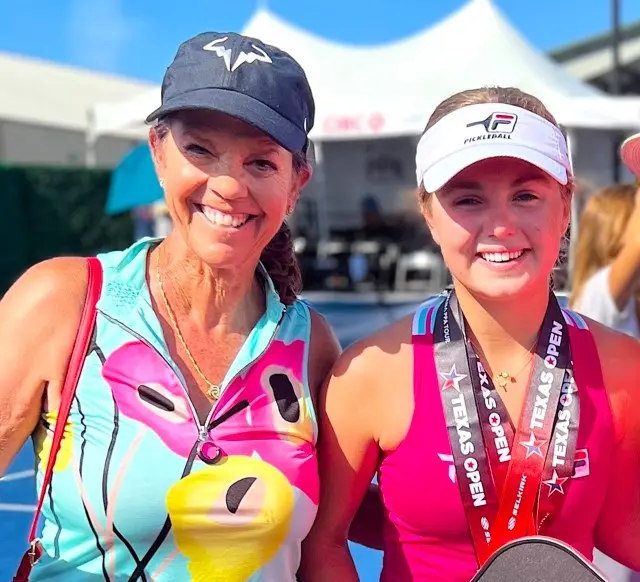
Pickleball, the fast-growing sport that combines elements of tennis, badminton, and ping-pong, has exploded in popularity over the past decade. With its dynamic gameplay and accessibility, more players than ever are aspiring to reach professional levels. However, the journey to becoming a pro pickleball player is paved with challenges that demand dedication, strategy, and relentless improvement. Drawing insights from the sport’s elite—like Anna Leigh Waters, the #1-ranked female player and three-time major champion—this blog explores the 5 key challenges aspiring pros must overcome and the 7 critical skills that separate champions from the competition.
Challenge 1: Adapting to Fast-Paced Gameplay and Quick Reflexes
Pickleball is notorious for its rapid exchanges, especially near the non-volley zone (the “kitchen”). The ball’s lightweight design and compact court size mean players must react in milliseconds. Beginners often struggle to keep up with the speed, leading to missed shots or poor positioning.
Solution:
- Agility Training: Incorporate ladder drills, cone exercises, and lateral movement workouts to improve footwork.
- Reaction Drills: Use tools like reaction balls or partner-based drills where you respond to unpredictable shots.
- Anticipation: Study opponents’ body language and paddle angles to predict shot placement. Pro tip: Watch footage of top players like Ben Johns or Catherine Parenteau to analyze their split-second decision-making.
As Waters herself demonstrates, mastering footwork isn’t just about speed—it’s about efficiency. A pro’s movement resembles a dancer’s precision, always positioning themselves optimally for the next shot.
Challenge 2: Mastering Shot Placement and Strategy
Many players focus solely on power, but pickleball rewards finesse and tactical intelligence. Poor shot selection—such as overusing slams or neglecting drop shots—can leave you vulnerable to counterattacks.
Solution:
- Drill Variety: Practice dinks, third-shot drops, and cross-court angles to expand your arsenal.
- Court Positioning: Learn when to advance to the net (to control the kitchen) and when to retreat.
- Exploit Weaknesses: Target opponents’ backhands or force them out of position. Remember: A well-placed soft shot can be deadlier than a slam.
Anna Leigh Waters’ dominance stems from her ability to mix power with precision. Her strategic use of the “soft game” keeps opponents guessing and disrupts their rhythm.
Challenge 3: Adapting to Diverse Playstyles and Opponents
Pickleball players vary wildly in style—from aggressive bangers to patient dinkers. Failing to adjust your strategy mid-game can lead to defeat.
Solution:
- Play Against Different Styles: Seek out partners who use unconventional tactics (e.g., lob specialists or spin-heavy players).
- Flexible Game Plans: Develop a “Plan B” for when your default strategy isn’t working. For example, if an opponent dominates the net, switch to deep serves or lobs.
- Mental Agility: Stay observant. Waters credits her success to her ability to “read” opponents’ tendencies within the first few points.
Challenge 4: Consistency and Reducing Unforced Errors
Even pros make mistakes, but unforced errors—like hitting the ball into the net or out of bounds—are often the difference between winning and losing.
Solution:
- Control Over Power: Focus on shot accuracy during practice. Use targets (e.g., cones or chalk marks) to hone precision.
- Rhythm Drills: Rally with a partner aiming for 20+ consecutive shots without errors.
- Mental Discipline: Avoid overcomplicating shots. As Waters’ coach (and mother) Leigh Waters emphasizes, “Consistency beats heroics every time.”
Challenge 5: Mental Toughness and Pressure Management
High-stakes matches test even the most skilled players. Nerves can lead to choked shots or poor decision-making.
Solution:
- Visualization: Mentally rehearse winning scenarios before matches.
- Breathing Techniques: Practice box breathing (inhale for 4 seconds, hold for 4, exhale for 4) to stay calm.
- Positive Self-Talk: Replace “Don’t mess up” with “I own the kitchen.”
Waters’ composure under pressure is legendary. During the 2023 PPA Finals, she famously saved three match points by focusing on “one shot at a time.”
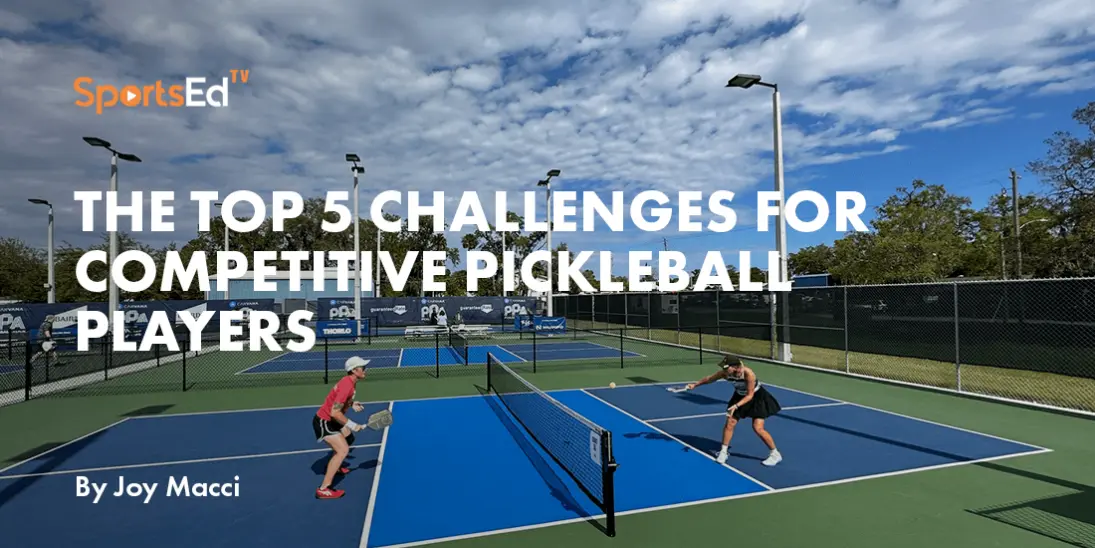
Part 2: The 7 Skills That Made Anna Leigh Waters a Pickleball Legend
Anna Leigh Waters’ meteoric rise—from a teenage phenom to the sport’s undisputed queen—offers a blueprint for aspiring pros. Here are the skills that define her championship DNA:
1. Exceptional Hand-Eye Coordination
Waters’ ability to track the ball and execute split-second adjustments is unparalleled. This skill allows her to handle fast-paced exchanges and tricky spins.
How to Build It:
- Wall drills: Hit against a wall, alternating between forehands and backhands.
- Reaction games: Use a paddle to bounce a ball on the floor while moving laterally.
2. Strategic Intelligence
Pickleball is often called “physical chess,” and Waters is a grandmaster. She analyzes opponents’ patterns and exploits gaps in their defense.
Pro Tip: Study match footage to identify recurring strategies. Notice how Waters uses third-shot drops to neutralize aggressive players.
3. Peak Physical Fitness and Agility
Waters’ training regimen includes HIIT workouts, yoga for flexibility, and sport-specific drills. Her lateral quickness allows her to cover the court effortlessly.
Training Hack: Incorporate plyometric exercises like box jumps to boost explosive power.
4. Unshakable Mental Resilience
In Waters’ words, “Pressure is a privilege.” She thrives in high-stakes moments by staying process-oriented rather than outcome-focused.
Mindset Shift: Focus on executing your game plan, not winning points.
5. Adaptability
Whether facing a power hitter or a dink specialist, Waters adjusts her tactics seamlessly. She might switch from aggressive drives to a patient soft game mid-match.
Drill: Play practice games where you’re only allowed to hit certain shots (e.g., dinks or lobs) to build versatility.
6. Relentless Consistency
Waters’ opponents know she won’t beat herself. Her low unforced error rate forces rivals to take risks, which often backfire.
Key Drill: Practice cross-court dinks for 10 minutes daily, aiming for zero net errors.
7. A Champion’s Work Ethic
Behind Waters’ talent is an obsession with improvement. She trains 6 days a week, reviews every match, and constantly refines her technique under her coach/mother’s guidance.
Takeaway: Embrace deliberate practice. Track your progress with a journal, and prioritize quality over quantity.
Conclusion: The Path to Pro Pickleball Greatness
Becoming a professional pickleball player requires more than raw talent—it demands a holistic approach to physical, technical, and mental development. By tackling the five core challenges head-on and emulating the skills of legends like Anna Leigh Waters, you’ll build a foundation for sustained success.
Remember, even the greatest players started as beginners. Stay patient, stay hungry, and most importantly, stay in love with the game. As Waters herself says, “Pickleball isn’t just a sport; it’s a community. Enjoy the journey, and the results will follow.”
Now grab your paddle, hit the court, and start writing your own pickleball story—one dink, drive, and drop shot at a time. ????
Recent Comments