
Have you ever finished a thrilling game of pickleball only to feel a nagging pain in your elbow? Or worse, noticed that even simple tasks like lifting a coffee mug now cause discomfort? If so, you might be experiencing “Pickleball Elbow”—a condition medically known as lateral epicondylitis but often nicknamed after its tennis counterpart, “Tennis Elbow.”
Contrary to popular belief, this injury isn’t exclusive to professional athletes. Recreational players, whether new to the sport or seasoned enthusiasts, are equally at risk. The good news? With the right strategies, you can prevent and even reverse this frustrating condition. Let’s dive into everything you need to know to keep your elbows healthy and your game strong.
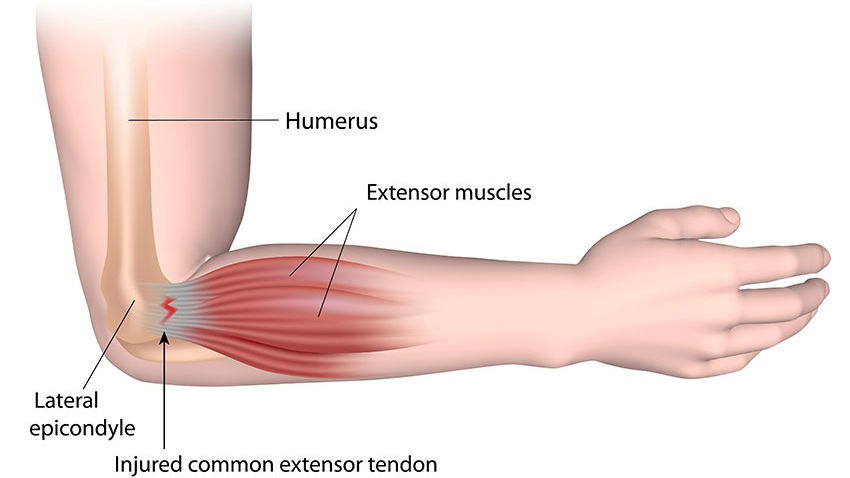
Pickleball Elbow, or lateral epicondylitis, is an overuse injury caused by repetitive stress on the tendons connecting your forearm muscles to the bony prominence on the outside of your elbow (the lateral epicondyle). These tendons endure strain during repetitive motions like swinging, gripping, and rotating the wrist—all common in pickleball.
Why Pickleball Players Are Vulnerable
The fast-paced nature of pickleball—with its quick volleys, sudden stops, and rapid paddle movements—places unique stress on the forearm and elbow. Unlike tennis, pickleball’s compact court encourages shorter, sharper swings, which can amplify tension in the tendons if proper technique or equipment is overlooked.
Key Symptoms to Watch For:
- Persistent pain on the outer side of the elbow
- Weakness when gripping objects (e.g., paddles, doorknobs)
- Stiffness or tenderness radiating into the forearm
- Pain worsening during backhand shots or lifting motions
If ignored, these symptoms can escalate into chronic inflammation, reduced mobility, and even forced time away from the court.
4 Proven Strategies to Prevent Pickleball Elbow
1. Choose the Right Paddle: Your First Line of Defense
The paddle you use plays a critical role in mitigating elbow strain. A poorly designed paddle transmits excessive vibration to your arm, accelerating tendon fatigue. Here’s what to prioritize:
- Core Thickness: Opt for paddles with a 16mm+ polymer core. Thicker cores absorb shock better than thinner ones.
- Edge Guard Design: Paddles with reinforced perimeter edges (e.g., “hybrid” or “wide-body” shapes) distribute impact forces more evenly.
- Grip Size: A grip that’s too large forces you to over-squeeze, straining forearm muscles. Test grips by ensuring your thumb and middle finger don’t touch when wrapped around the handle.
- Vibration Dampening: Add an overgrip or cushioned tape to reduce shock. Brands like Gamma or Tourna offer affordable, high-performance options.
Pro Tip: Test paddles before buying. Many pro shops offer demo programs—take advantage!
2. Master Proper Technique: Stop Arm-Dominant Swings
Poor form is a leading cause of elbow injuries. Many players rely too heavily on their arms instead of engaging their core and legs. Let’s break down essential adjustments:
A. Soften Your Grip:
- Hold the paddle at a 3-4/10 grip pressure (imagine cradling a bird—firm enough to control, gentle enough not to crush).
- Use a “handshake grip” (semi-western) to align your wrist naturally with the paddle face.
B. Engage Your Body:
- Rotate your hips and shoulders during swings to share the workload.
- For backhands, step into the shot and pivot your front foot to avoid “arming” the ball.
C. Shorten Your Swing:
- Focus on compact strokes, especially at the net. Long, exaggerated swings increase elbow torque.
Drill to Try: Practice dinks and soft volleys against a wall, focusing on smooth, wrist-free motions.
3. Strengthen Your Forearms: Build Resilience Off the Court
Weak forearm muscles force tendons to overcompensate. A targeted strength routine can bulletproof your arms:
A. Wrist Curls:
- Sit with a light dumbbell (2-5 lbs) in hand, palm up. Slowly curl your wrist upward, then lower.
- 3 sets of 15 reps, 3x weekly.
B. Reverse Tyler Twists:
- Use a FlexBar (or a towel). Grip the device with both hands, palms down. Twist inward as if wringing water.
- 2 sets of 10 reps daily.
C. Finger Extensions:
- Place a rubber band around your fingers. Open your hand against the resistance.
- 3 sets of 20 reps.
Progressive Overload: Gradually increase resistance every 2 weeks.
4. Prioritize Recovery: Don’t Skip Post-Game Care
Even with perfect technique, repetitive motion causes micro-tears. Without recovery, these accumulate into injury.
A. Immediate Post-Game Routine:
- Ice Massage: Freeze a paper cup filled with water. Peel the cup and rub the ice directly on the elbow for 5 minutes.
- Compression Sleeves: Wear a breathable sleeve (e.g., CopperJoint) to improve circulation.
B. Long-Term Recovery Habits:
- Foam Rolling: Roll your forearms on a textured roller to release tight fascia.
- Epsom Salt Soaks: Dissolve 1 cup in warm water; soak arms for 15 minutes post-play.
When to Rest: If pain persists beyond 48 hours, take 2-3 days off. Returning too soon risks chronic damage.
Advanced Tips for Persistent Cases
Already experiencing pain? Try these expert-approved fixes:
Theraband FlexBar Exercises: Studies show eccentric exercises (like the “Tyler Twist”) reduce tendon strain by 60% in 6 weeks.
Kinesiology Taping: Apply tape in a “Y” shape over the forearm to offload tendons during play.
Physical Therapy: Seek a sports PT for guided dry needling or ultrasound therapy.
Play Smarter, Not Harder
Pickleball Elbow is preventable. By optimizing your gear, refining your technique, strengthening key muscles, and respecting recovery, you’ll not only avoid pain but also elevate your game. Remember: longevity in pickleball isn’t about power—it’s about playing smart.
Ready to hit the court pain-free? Share this guide with your pickleball crew and spread the wisdom!
Recent Comments