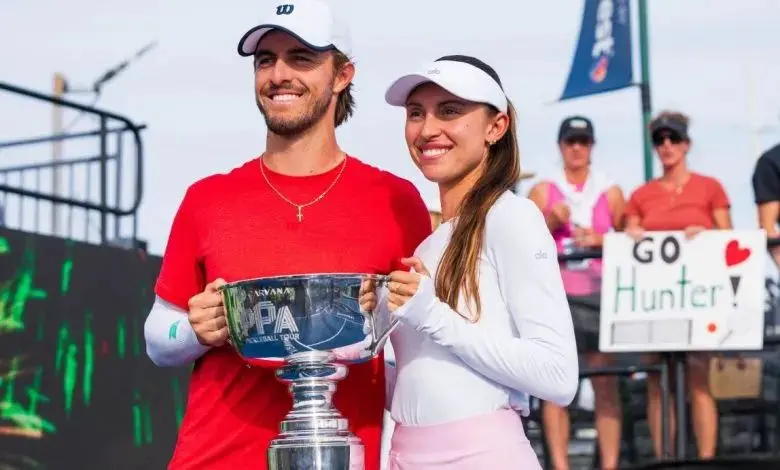
Pickleball isn’t just a sport—it’s a cultural phenomenon. From retirees to college students, players worldwide are falling into what many call a “pickleball addiction.” But what makes this game so irresistible? And why are romantic partners increasingly bonding (or clashing) over the ping of a plastic ball? Let’s dive into the neuroscience, psychology, and relationship dynamics fueling this obsession.
The term “pickleball addiction” isn’t hyperbole. Neuroscience research reveals that the game taps into the same brain pathways associated with romance, passion, and even obsession. Dr. Sarah Loeb, a leading neuroscientist, explains: “fMRI scans show that pickleball activates the brain’s reward centers in ways strikingly similar to falling in love.” Here’s how it works:
The Nucleus Accumbens (Pleasure Engine):
Every well-executed dink, smash, or third-shot drop triggers a dopamine surge comparable to the thrill of a first date. The unpredictability of rallies and the satisfaction of scoring mimic the brain’s response to gambling or extreme sports.The Prefrontal Cortex (Strategic Playground):
Planning doubles strategies lights up the same regions responsible for problem-solving and emotional bonding. Much like the mental chess of early-stage romance, pickleball demands split-second decisions, trust, and collaboration.The Hypothalamus (Emotional Switchboard):
The shift from calm anticipation to adrenaline-fueled excitement—palms sweating, heart racing—mirrors the physiological rush of attraction.
In short, pickleball isn’t just exercise; it’s a neurochemical cocktail designed to hook players.
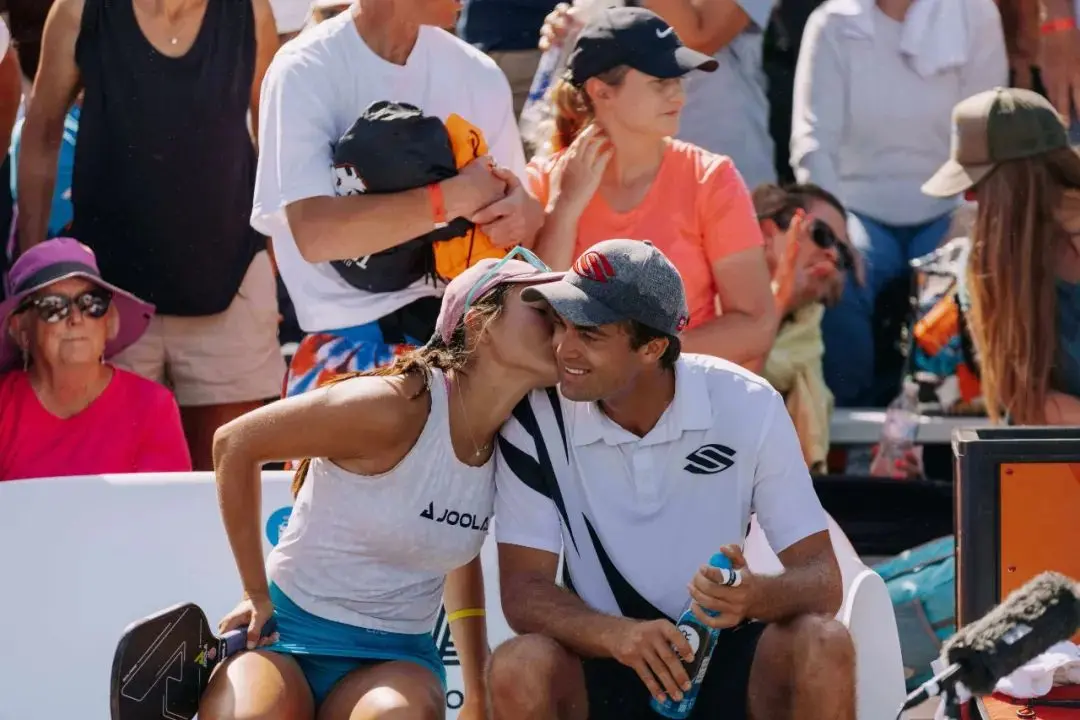
Why Is Pickleball So Addictive? The Role of Social Connection
Beyond brain chemistry, the game’s social fabric plays a key role. Pickleball’s addictive nature stems from its unique blend of competition and camaraderie. For couples, this dynamic is amplified.
Take Todd and Johnson, a powerhouse duo on the Professional Pickleball Association (PPA) tour. Their synergy on the court isn’t just about skill—it’s a testament to how shared goals and nonverbal communication strengthen relationships. Studies show that couples who play together report higher relationship satisfaction. The reason?
Trust Building: Doubles requires constant coordination, fostering reliance on each other.
Instant Feedback: Celebrating wins or troubleshooting losses in real-time mirrors healthy conflict resolution.
Playful Tension: The “flirtation across the net” dynamic—teasing, strategizing, and celebrating—replicates the excitement of early dating.
As one player joked, “Date night? Why choose candles over a kitchen battle?”
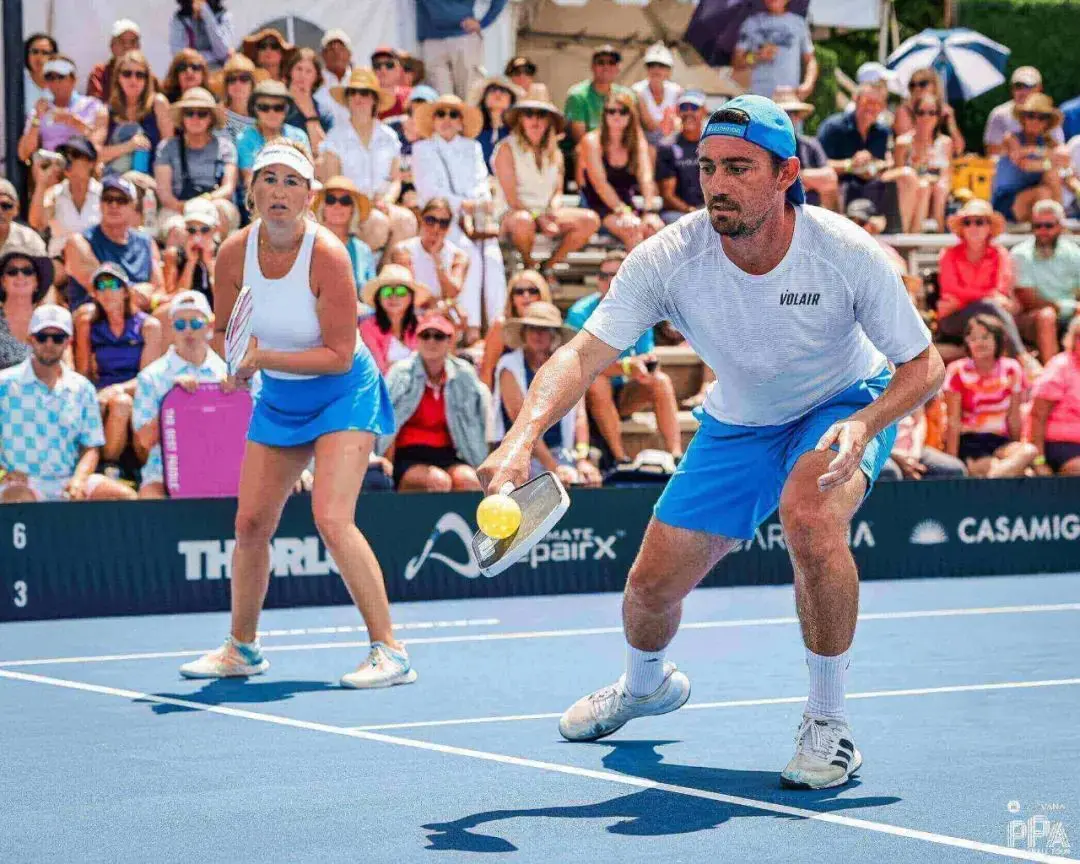
Pickleball Doubles Strategy: A Metaphor for Modern Relationships
The parallels between romantic partnerships and doubles strategy are uncanny. Successful teams master three key elements:
Communication: Calling shots (“Yours!” “Mine!”) prevents collisions and builds trust—a skill transferable to off-court disagreements.
Role Flexibility: Adapting between aggressive drives and defensive lobs teaches compromise.
Shared Celebrations: High-fives after winning a point release oxytocin, deepening emotional bonds.
CRBN pros Jones and Novitsky credit their chemistry to “reading each other’s minds”—a phenomenon psychologists attribute to heightened empathy from repeated teamwork.
The Dark Side of Obsession: When Pickleball Strains Relationships
But like any addiction, unchecked passion has risks. Reports of “pickleball widows” and neglected partners are rising. Consider:
- A player cancels date nights to practice serves.
- A spouse blurts “Let’s team up!” during intimate moments.
- Former partners Ignatovich and Anna Bright reportedly split after court conflicts spilled into their personal lives.
Relationship experts warn that imbalance breeds resentment. “If one partner is obsessed and the other indifferent, the ‘perfect teammate’ might unintentionally replace the romantic partner,” notes a therapist specializing in sports addiction.
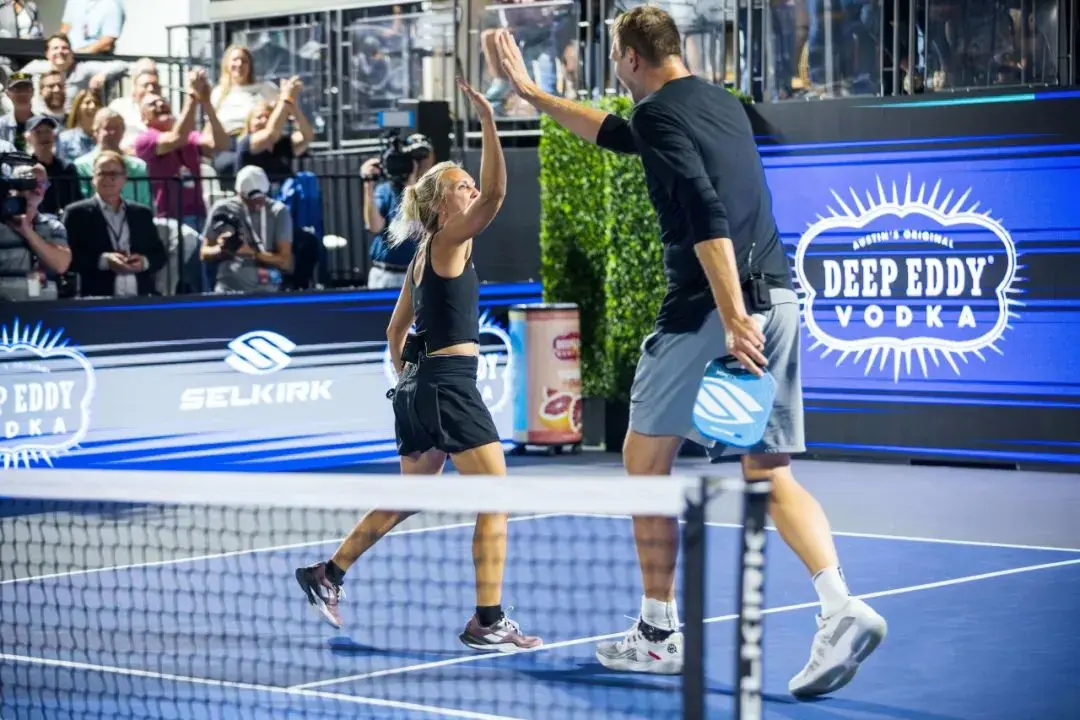
Balancing Passion and Partnership: Tips for Pickleball Couples
To harness the benefits without the pitfalls:
Set Boundaries: Designate “no-pickleball” days to prioritize quality time.
Mix It Up: Alternate between competitive matches and casual rallies to keep the mood light.
Celebrate Off-Court Wins: Channel the dopamine rush into planning adventures beyond the court.
As one reformed addict laughed, “My wife used to want roses. Now she’s happier with a perfectly placed drop shot.”
Conclusion: Love, Chemistry, and the Pickleball Phenomenon
Pickleball’s magic lies in its ability to merge physical activity, brain chemistry, and human connection. For couples, it’s a tool to reignite sparks—or a hazard if taken to extremes. By understanding the neuroscience behind the addiction and prioritizing balance, players can ensure the game enriches relationships rather than eclipsing them.
After all, the best partnerships—on or off the court—are built on joy, strategy, and knowing when to put down the paddle.
Recent Comments