
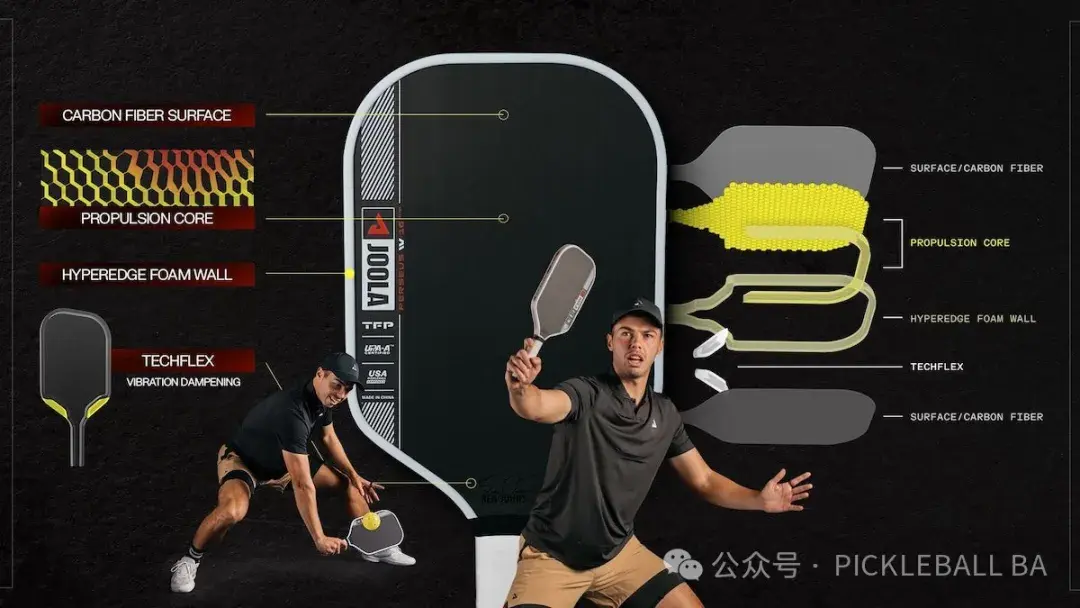
Have you ever picked up a pickleball paddle and wondered why some feel like they come with a mortgage? If so, you’re not alone. The steep price tags on high-end pickleball paddles often raise eyebrows, but there’s more to the story than meets the eye. Premium materials like Kevlar and carbon fiber, intricate construction methods, specialized features, and significant research and development (R&D) investments all contribute to the cost. These factors don’t just inflate the price—they enhance performance, durability, and the overall playing experience, making them a worthwhile investment for serious players. While the upfront cost might sting, understanding what goes into these paddles can help you decide if they’re right for you. Let’s break it down and explore why pickleball paddles can be so pricey.
At first glance, a pickleball paddle might seem like a simple piece of equipment—just a flat surface to hit a ball, right? But the reality is far more complex. The high cost of premium paddles stems from the use of top-tier materials and advanced manufacturing techniques that elevate both performance and durability.
The Power of Kevlar and Carbon Fiber
Two standout materials in high-end paddles are Kevlar and carbon fiber. Kevlar, originally developed for bulletproof vests, is celebrated for its incredible strength and lightweight properties. In pickleball paddles, it provides exceptional durability and resistance to wear, ensuring the paddle can withstand intense play over time. Carbon fiber, meanwhile, boasts an outstanding strength-to-weight ratio. This allows players to deliver powerful shots without losing control, making it a favorite among competitive players.
Integrating these materials into paddle designs isn’t cheap. The manufacturing processes required to layer Kevlar or weave carbon fiber into a paddle’s face are intricate and costly, driving up the price. But for players, the payoff is clear: paddles that last longer and perform better on the court.
Advanced Polymers and Play Characteristics
Beyond Kevlar and carbon fiber, many premium paddles incorporate advanced polymers. Take Engage’s “ControlPro Polymer,” for example. These materials are engineered to offer specific benefits, like a cushioned feel for better shock absorption or enhanced grip for improved handling. Developing these polymers involves significant R&D, and their inclusion adds to the paddle’s cost. However, they allow manufacturers to tailor the paddle’s play characteristics—think more spin, better control, or a softer touch—making them worth it for players who value precision.
A Look at the Materials
Here’s a quick breakdown of how these materials contribute to both performance and price:
| Material | Benefit | Brand Examples |
|---|---|---|
| Kevlar | Durability, strength | Engage, Onix |
| Carbon Fiber | Power, lightweight | Selkirk, Head |
| Advanced Polymers | Specific play characteristics | Engage |
For power-focused players, a propulsion core might be a game-changer. Precision players, meanwhile, might love the stability of a one-piece design. The key is matching the features to your style—expert reviews and player feedback can help confirm their real-world impact.
Is Investing in a High-End Paddle Worth It?
So, should you splurge on a high-end paddle? It depends on what you’re looking for, but for many players, the answer is a resounding yes.
Performance and Playability
High-end paddles shine in performance. The combination of carbon fiber’s lightweight power and Kevlar’s durability means quicker swings and stronger shots. Players often notice a difference in delicate plays—like dinks—or powerful smashes, thanks to the nuanced feel these materials provide.
Durability That Pays Off
Premium paddles are built to last. Features like reinforced edges and advanced cores (e.g., Joola’s designs) mean they can handle rigorous play without breaking down. Over time, this durability can make them more cost-effective than constantly replacing cheaper paddles.
Comfort Counts
Ergonomic designs, foam-filled cores, and vibration-dampening features reduce hand fatigue and injury risk. Brands like Gearbox prioritize comfort, making high-end paddles a smart choice for long sessions or players with existing discomfort.
Who Benefits Most?
- Beginners: Might not notice the difference—skill development matters more at this stage.
- Intermediate/Advanced Players: These paddles offer finer control and power, elevating competitive play.
Conclusion: A Worthwhile Investment?
The high cost of pickleball paddles reflects the premium materials, intricate construction, and innovative features packed into every design. From Kevlar’s durability to carbon fiber’s power, these elements enhance your game in ways cheaper paddles can’t match. Add in the R&D that drives new technologies, and it’s clear why prices climb. If you’re a casual player, a budget paddle might do. But for those who play often or compete, the performance, durability, and comfort of a high-end paddle make it a worthy investment. Consider your style and frequency—your paddle choice could be the key to unlocking your best game yet.
Recent Comments