by Edward lee | Jul 28, 2026 | Blog
Why Packaging Optimization Matters for Bulk Pickleball Paddle Orders The Relationship Between Packaging Design and International Freight Cost For a typical 2,000-unit order, freight cost accounts for 8–15% of total landed cost. Packaging design directly determines how... 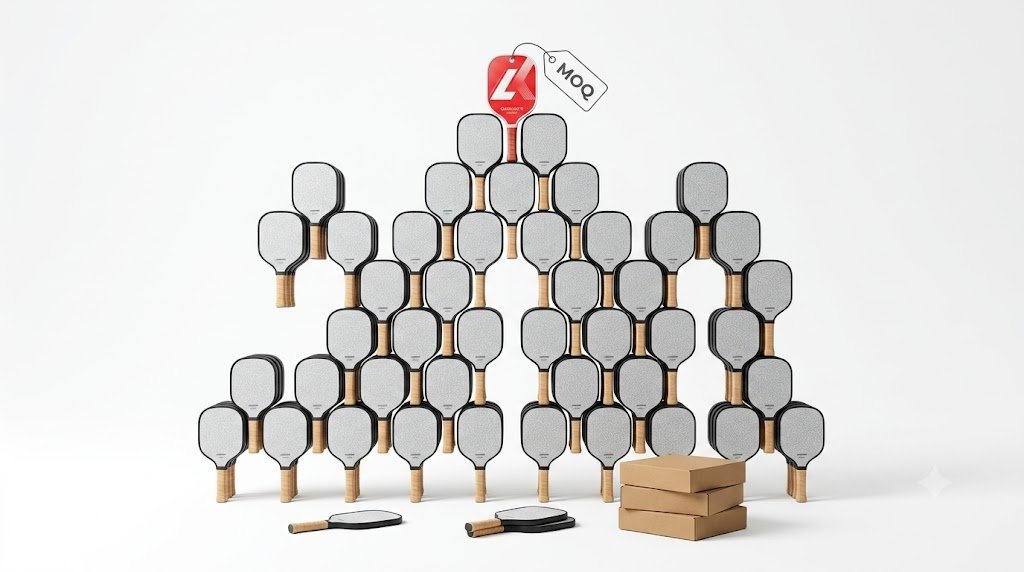
by Edward lee | Jul 28, 2026 | Blog
Why MOQ Matters for New Pickleball Paddle Brands Understanding the Relationship Between MOQ and Inventory Investment MOQ (Minimum Order Quantity) is the smallest number of units a pickleball paddle factory will produce per order. For pickleball paddles, MOQ directly... 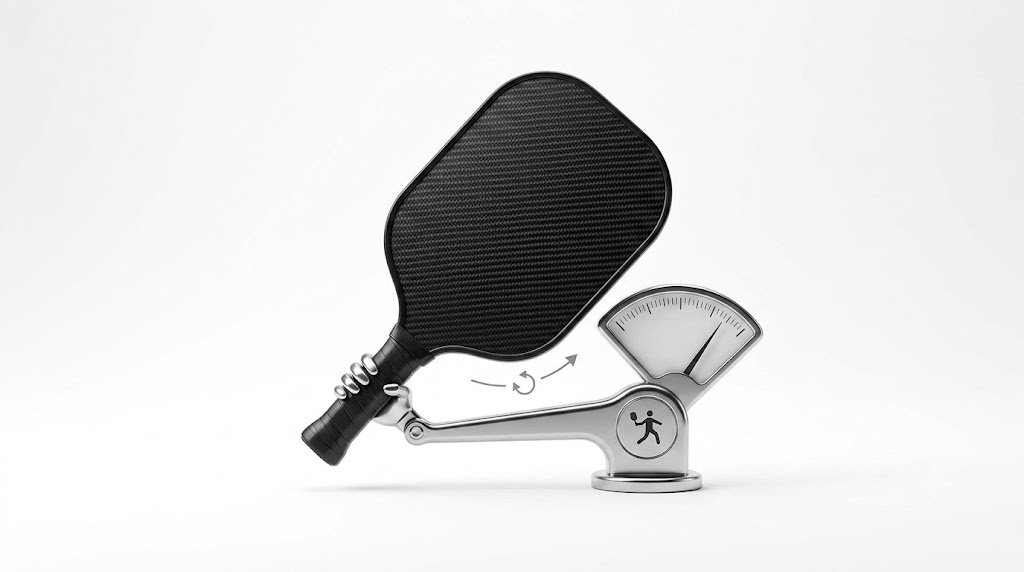
by Edward lee | Jul 28, 2026 | Blog
What Is Swing Weight and Why It Matters in Pickleball Paddle Design Understanding the Difference Between Static Weight and Swing Weight Static weight is the total weight of the paddle on a scale. Typically 220–240 g for cold-pressed paddles. Swing weight is how heavy... 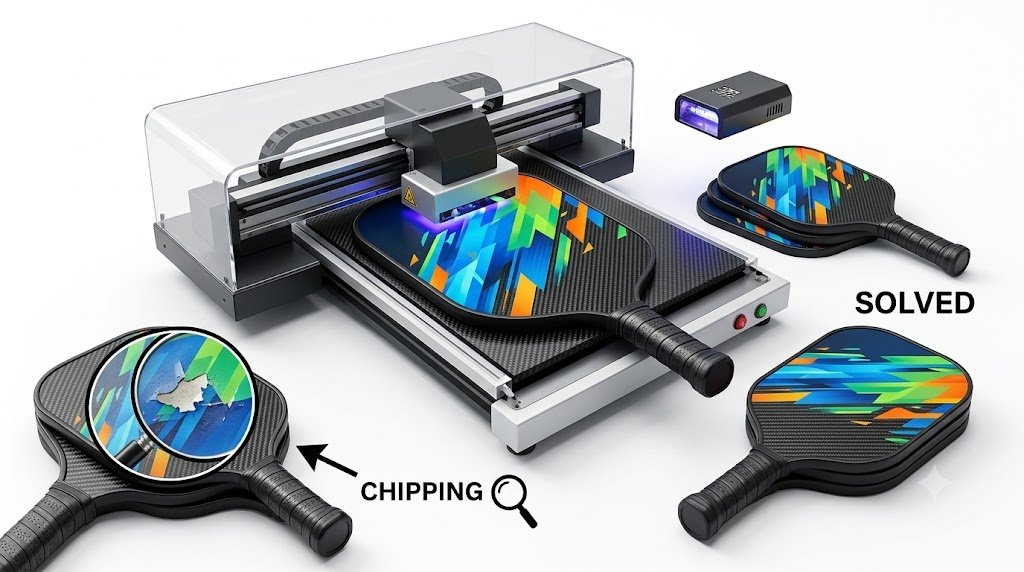
by Edward lee | Jul 28, 2026 | Blog
Why UV Graphic Chipping Has Become a Common Challenge in Pickleball Paddle Manufacturing Understanding Graphic Peeling and Chipping Issues on Paddle Surfaces UV graphic chipping occurs when the printed design separates from the paddle face. It starts at the edges —... 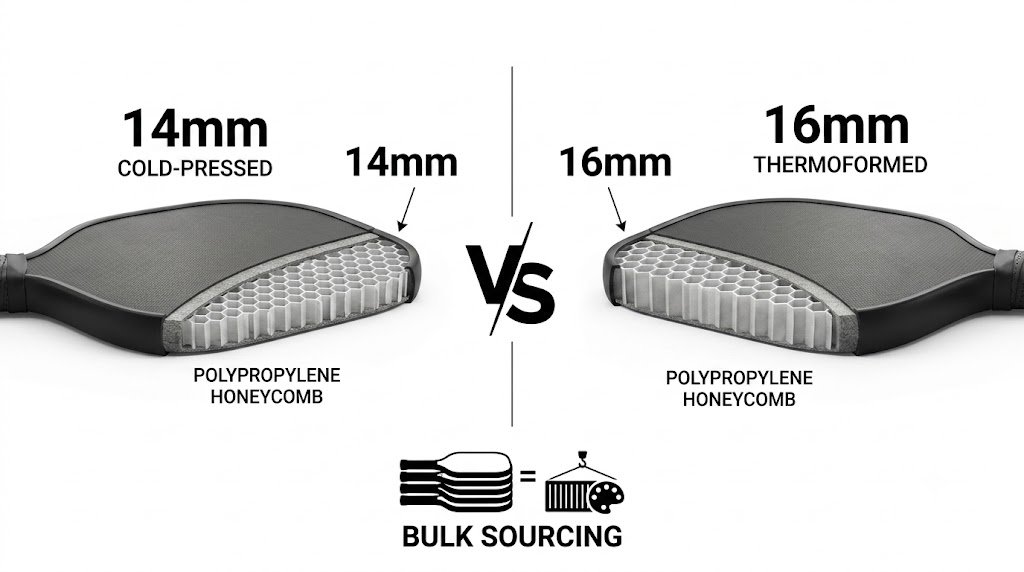
by Edward lee | Jul 28, 2026 | Blog
Understanding Polypropylene Honeycomb Core in Pickleball Paddle Manufacturing What Is a Polypropylene Honeycomb Core? PP honeycomb core is a hexagonal cell structure made from polypropylene plastic. It sits between the two face sheets of a pickleball paddle. The cells...