lixisports-Pickleball paddle factory test and production equipment
We keep 38 machines at our paddle plant. Twelve measure the paddle and 26 build it. Each card below names the machine, gives its model and shows the photo we took of it, so a buyer can check the plant before placing a sample order.
What we can measure
Internal gaps, spin, rebound, roughness, gloss, swing weight and twist weight.
What we can build
Blanks from cut carbon sheet, printed faces, edge guards, handles and packed cartons.
What we can show
A nameplate, a photo and a written reading for each machine.
What the list covers
The list comes from our own equipment record dated 10 November 2026. It covers 12 machines in the test lab and 26 on the production line. Each card gives the model, the count and one job the machine does.
| Group | Machines | What the group does |
|---|---|---|
| Test lab | 12 | Measures the paddle before and after it is built, and records numbers we can send back with a sample. |
| Production line | 26 | Cuts the sheet, lays it up, presses it, cools it, finishes the face and packs the carton. |
The machines sit in the plant described in the plant and the team behind these machines. Every photo below was taken there.
Numbers on the record
Four numbers from the equipment record. Each one has a limit, and we name the limit below.
The 150K figure counts blanks. We quote a lead time against your own spec, not against a machine number.
Machines in the test lab
These 12 machines measure a paddle before and after it is built. We use them on samples, on returned paddles and on batches before a carton closes.
The numbers we write down feed the six bench readings we record on a locked sample.
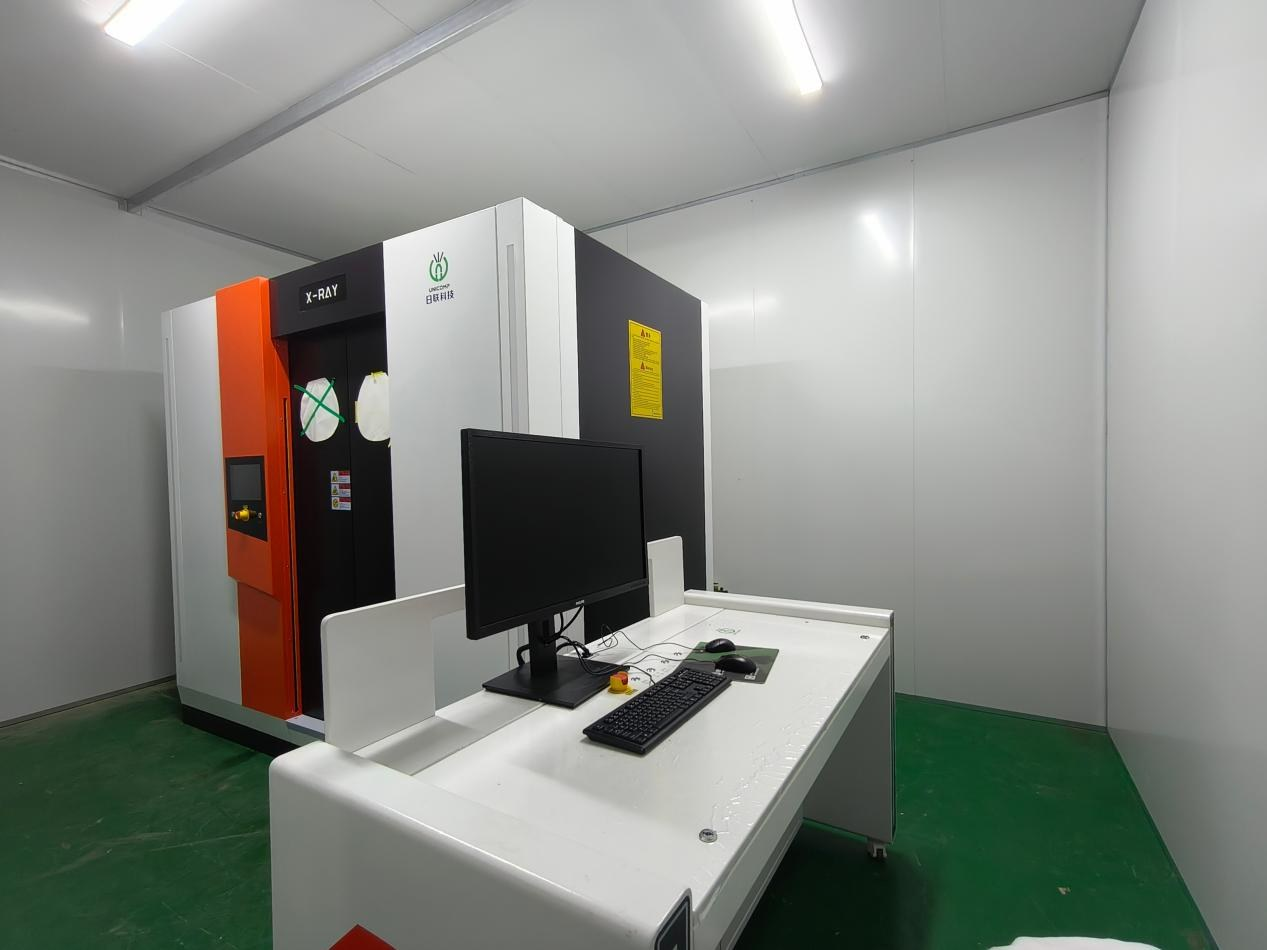
X-ray CT Inspection machine
We look inside a finished paddle for holes, gaps and layers coming apart.

Pickleball Paddle Impact Fatigue Tester
We fire balls at a paddle to see how long the build holds together.

Pickleball Paddle Acoustic Tester
We record the sound a paddle makes when a ball hits it.
Accelerated Fatigue Tester
We run a long fatigue test in a short time to find early failures.

Paddle Repeated-Hit Fatigue Tester
We hit the same spot again and again and watch for a drop in the reading.

Pickleball Paddle COR Tester
We measure how much energy comes back off the face and how much spin it adds.
Universal Testing Machine
We pull, press and peel parts to see where a bond gives way.
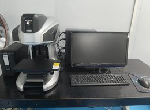
KEYENCE 3D Profilometer
We scan the face in 3D to map its shape and texture.
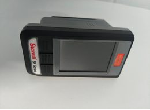
Surface Roughness Tester
We measure how rough the face is, one line at a time.
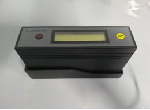
Gloss Meter machine
We measure how much light the face reflects.

Swing Weight & Twist Weight Measuring Device
We measure how heavy the paddle feels when you swing it and twist it.
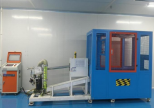
Beach Tennis Racket/padel racket Impact Machine
We run the same impact test on beach tennis and padel rackets.
Machines on the line
The 26 production machines run in the order a paddle is made: cut the sheet, lay it up, press it, cool it, finish the face, then pack it. The groups below follow that order.
Cutting and lay-up

CNC Blade Cutting Machine
We cut carbon sheet to the drawing, including shapes a hand knife cannot hold.
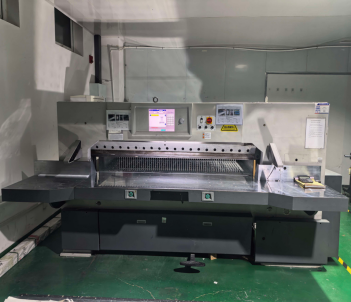
Guillotine Sheet Cutter
We clamp the cloth before cutting, so the edges stay straight.
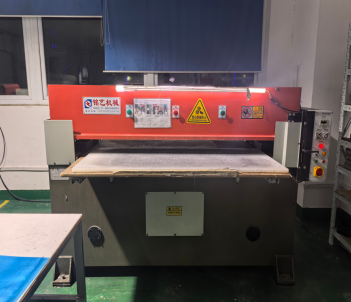
Precision Four-Column Press
We press several layers at once through a custom mold.

Dual-Axis Oscillating Knife Cutter
We cut contours from a CAD file without making a new mold.

High-Pressure Waterjet Cutter
We cut carbon plate with water and grit, so the plate stays cool.
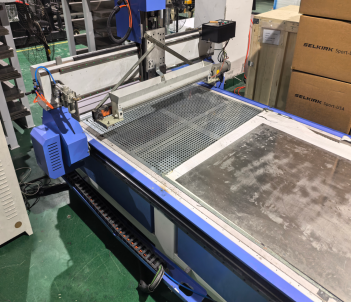
Automatic Powder Scattering Machine
We spread grit evenly over the face and collect what falls off.
Pressing and cooling
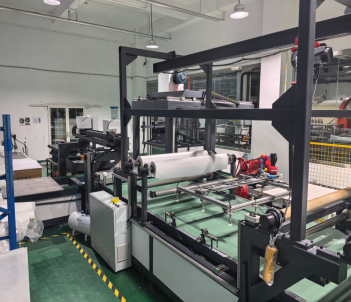
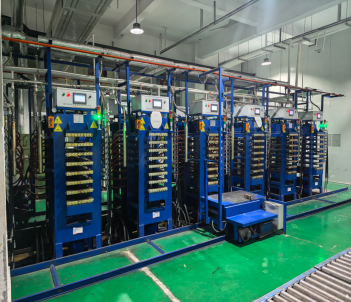
Automatic Lay-up Line
We lay carbon cloth flat on the line and keep it from stretching.

Vacuum Autoclave
We cure carbon parts under heat, pressure and vacuum.
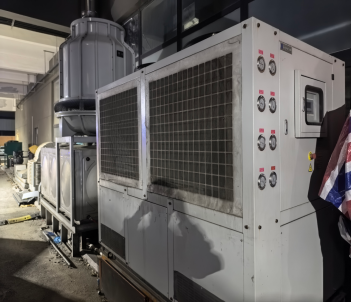
Industrial Chiller
We send cold water through the press plates to cool the mold fast.

Cooling Tower
We take the heat out of the water that comes back from the chiller.
Multi-Layer Hot Press
We press the face, the core and the edge together into a paddle blank.
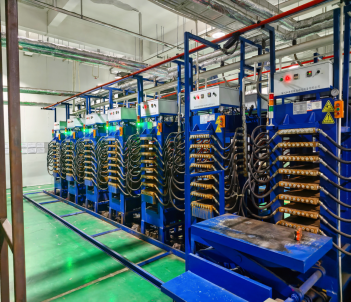
Multi-Layer Cold Press
We cool the same mold under pressure so the face does not warp.

Electric Hot Press
We use this press for samples and small runs of carbon plate.
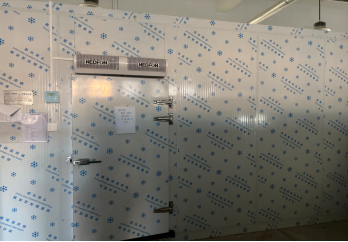
Cold Storage Room
We keep prepreg at -18 °C until the line needs it.
Surface, graphics and packing
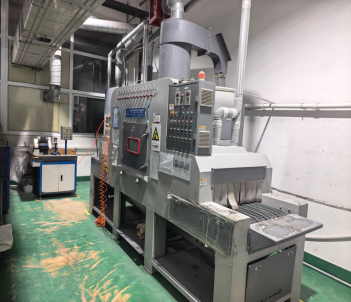
Automatic Sandblasting Machine
We clean and roughen the face before paint or glue goes on.
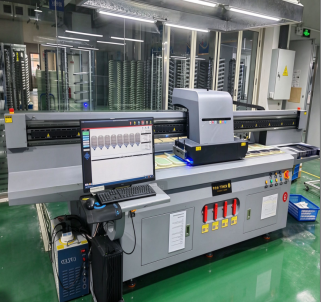
Digital UV Printer
We print custom graphics straight onto the paddle face.
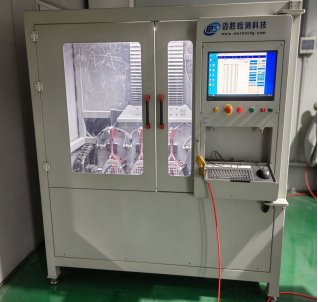
Digital Punching Machine
We punch the hole pattern a beach tennis order asks for.

Putty & Sanding Workbench
We fill small marks and sand the surface smooth by hand.
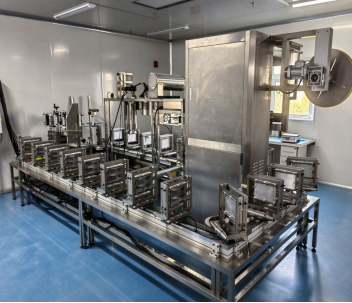
Automatic Shrink-Film & Labeling Machine
We will wrap and label handles on this line. It is still being set up.
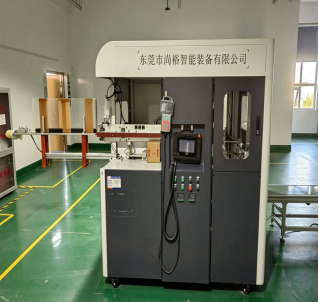
Automatic Edge Banding Machine
We glue the edge guard onto the paddle in one pass.
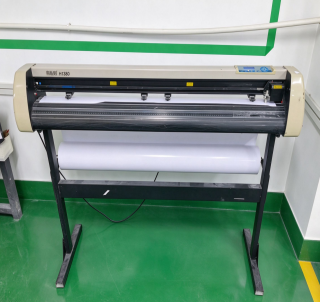
Engraving Machine
We cut patterns into the face for color separation.
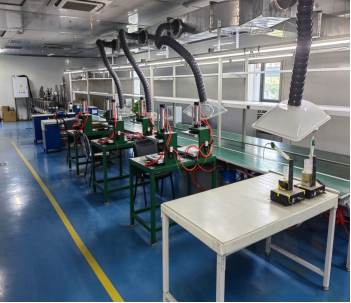
Handle Grip Wrapping Machine
We wrap grip tape onto handles at an even tension.
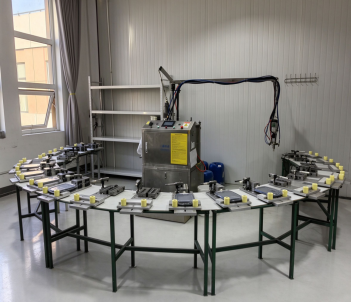
PU Injection Machine
We mold PU handles onto the paddle shaft.
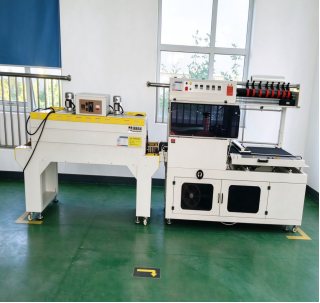
Automatic Film Wrapping Machine
We seal the outer carton in film before it leaves.
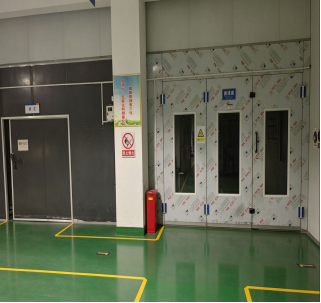
Spray Booth
We spray paint paddles and parts in a closed booth.
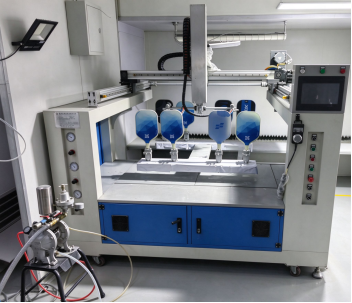
Automatic Spraying Machine
We spray large orders on a machine so the color stays even.
Output and its limits
The presses set the ceiling for how many blanks we can make. The rest of the line sets how many finished paddles leave the plant.
The 13 multi-layer hot presses hold 85 platens between them. Our equipment record puts their capacity at 150K+ paddle blanks a month. The 13 cold presses cool the same molds under pressure, so the face keeps its shape as the resin sets. Two vacuum autoclaves cure carbon parts at up to 26 m³, and an industrial chiller sends 19 m³ of cold water an hour through the press plates.
Nine UV printers put custom graphics on 150K+ faces a month. Two cold rooms hold prepreg at -18 °C over about 120 m², so the material stays inside its shelf life before it reaches the press. These are machine capacities from the record. A finished paddle still needs an edge guard, a handle, printing, inspection and packing, and a new core needs a new mold before the press can run.
What buyers can ask
A machine list is useful only if it leads to a record you can read. The table pairs a check with the machine that runs it and the file we can send back.
| What you want to check | Which machine runs it | What we send you |
|---|---|---|
| Holes, gaps or layers coming apart inside the paddle | X-ray CT inspection machine, UNCT2200 | CT slice images of the paddle |
| Rebound and spin off the face | COR tester, TG-1250-PBCOR | The two readings with the test date |
| Face roughness and gloss | Roughness tester, SR160, and gloss meter, ETB-0833 | One roughness number and one gloss number |
| How heavy the paddle feels in the hand | Swing weight device, SW1 | Swing weight and twist weight |
| How long the build holds up under impact | Impact fatigue tester, TG-1250-COR | The hit count and the reading before and after |
| Whether one batch matches the last one | The press line and the test lab together | A batch report with the measured numbers |
Each carton also passes the eleven checks written into a batch report before it closes. We build thermoformed paddles on these presses, and a thermoformed paddle manufacturer that runs its own test lab lists the builds we hold as standard.
Where we stop
Five limits on what a machine list can prove.
Read these before you quote a number from the record
- A machine list is not an approval. The brand files its own model under its own name through the approval process USA Pickleball runs.
- 150K+ is platen capacity for blanks. It is not a count of finished paddles and it is not a lead time.
- One machine, the automatic shrink-film and labeling unit, is still being set up. It does not count in current output.
- Our readings come from our own bench. We do not call them a third-party lab report. Name the lab and we will send samples there.
- Models and counts come from the equipment record dated 10 November 2026. A machine swap changes the list, and we update the file when it happens.
What buyers ask here
How many machines are on the list?
38 in total: 12 test machines and 26 production machines. The counts come from our equipment record dated 10 November 2026.
Can I see the machines on a live video tour?
Yes. We can walk the line on a video call and show the machine nameplates. Ask for a slot and we will send a time.
Do you send test readings with a sample?
Yes. We send the readings we measure on our own bench, including swing weight, surface roughness and gloss. Approval still belongs to the brand that files the model.
Does a machine list prove approval for sanctioned play?
No. The machines let us build and measure to published limits. The brand submits its own model under its own name.
What if one of the test machines is down?
We tell you before the sample run starts. We do not send a reading from a different bench without saying which machine measured it.
Which machines are still being set up?
One: the automatic shrink-film and labeling machine. It is under commissioning, so we do not count it in current output.
Can you test a paddle I send you?
Yes. Send the paddle and the numbers you want checked. We will say which of our machines can measure them before we run anything.
What is the minimum order?
200 units per spec, per design. Samples run ahead of any production order.
Send your sample brief
Tell us the build you want and the readings you need. We will say which machines can measure them and send back a sample count, a lead time and a quote.