by Edward lee | Sep 16, 2026 | Blog
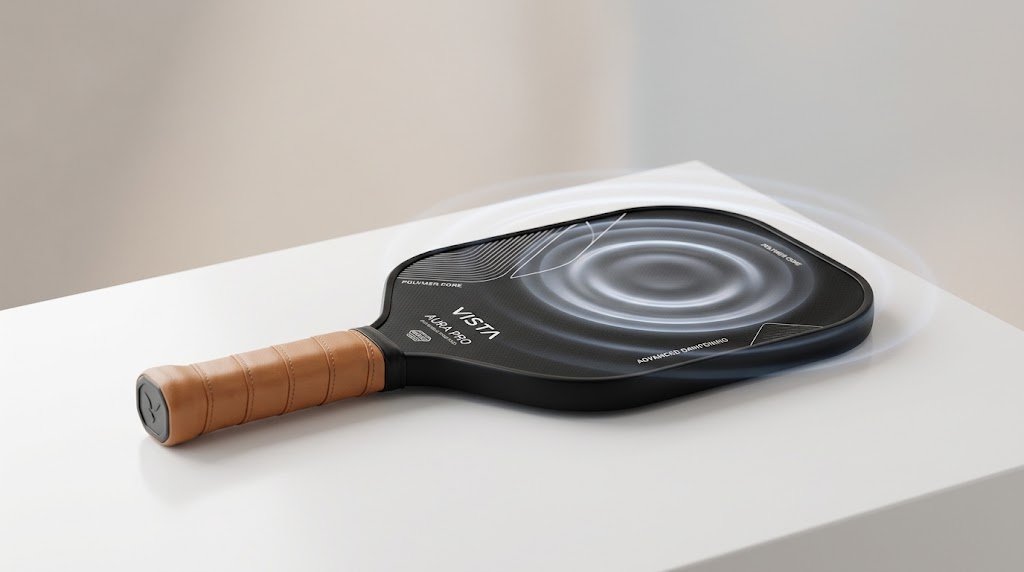
Play pickleball a few times a week and you know the feeling. A hard drive lands on your paddle face, and the shock travels straight into your wrist and elbow. Some paddles soak that up. Others pass it right along. This guide covers where paddle vibration comes from,... 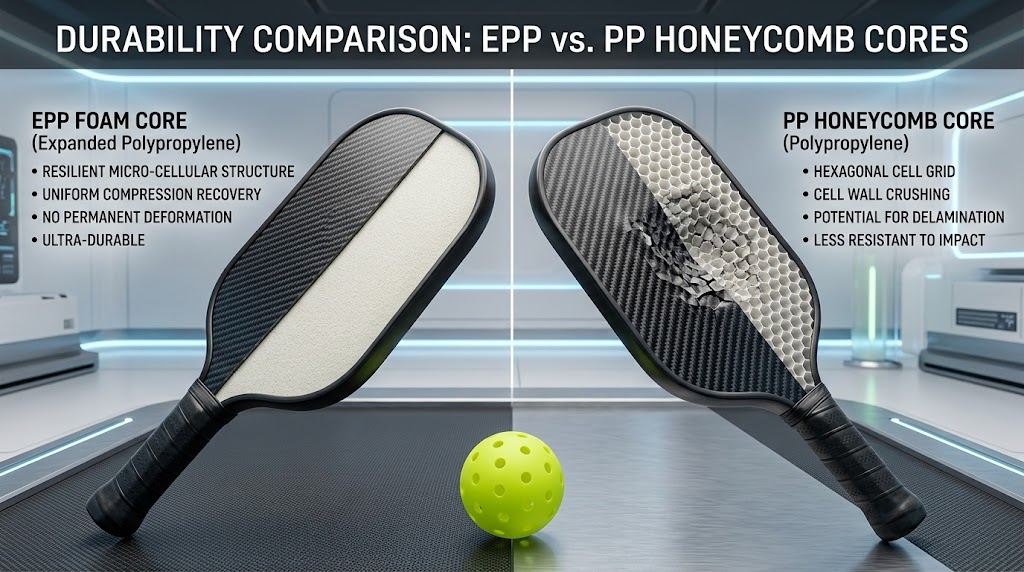
by Edward lee | Sep 14, 2026 | Blog
Key Takeaways Yes — EPP cores last longer in one key way: they don’t crush like honeycomb cores do. A crushed honeycomb core never heals. The dead spot stays forever. EPP cells compress and bounce back. The paddle feels the same in month twelve as on day one.... 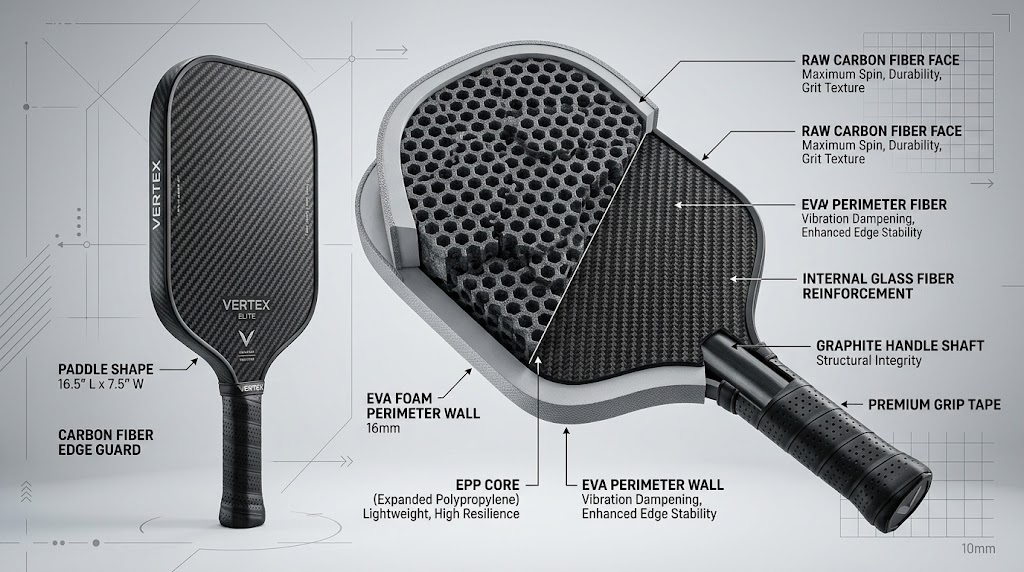
by Edward lee | Sep 9, 2026 | Blog
Key Takeaways EPP cores win on durability (no collapse), feel (quieter), and weight control. Bare EPP edges are soft and need an EVA perimeter. EPP is a premium-priced build. EPP is not “better than honeycomb” — it is different, and it suits some price... 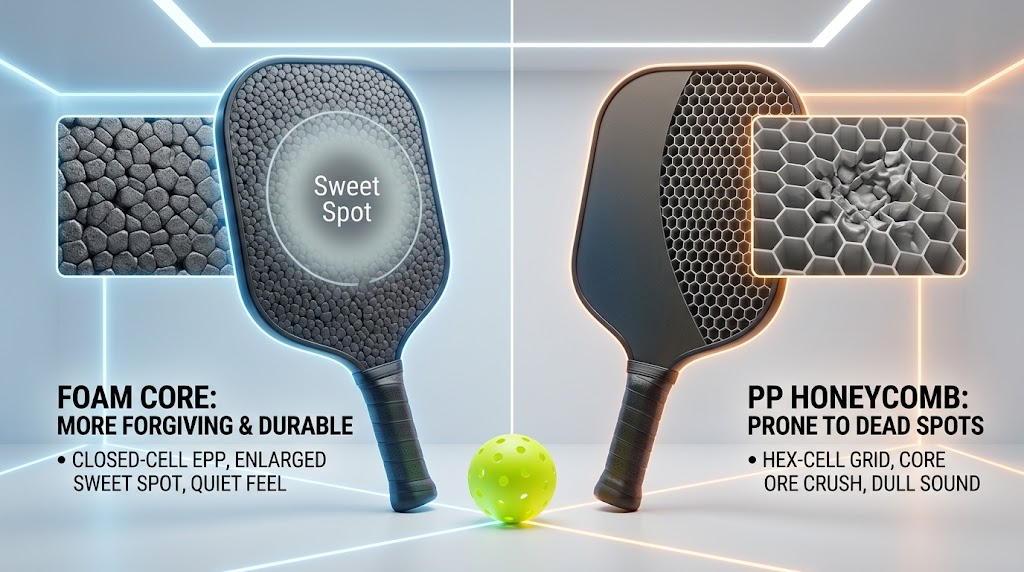
by Edward lee | Sep 9, 2026 | Blog
Key Takeaways “Foam core” is an umbrella term covering three modern builds: EPP cores, hybrid EPP/CNC cores, and dual-density foam builds — all wrapped in a thermoformed EVA perimeter. The shift started at the pro level. Once tour players moved to... 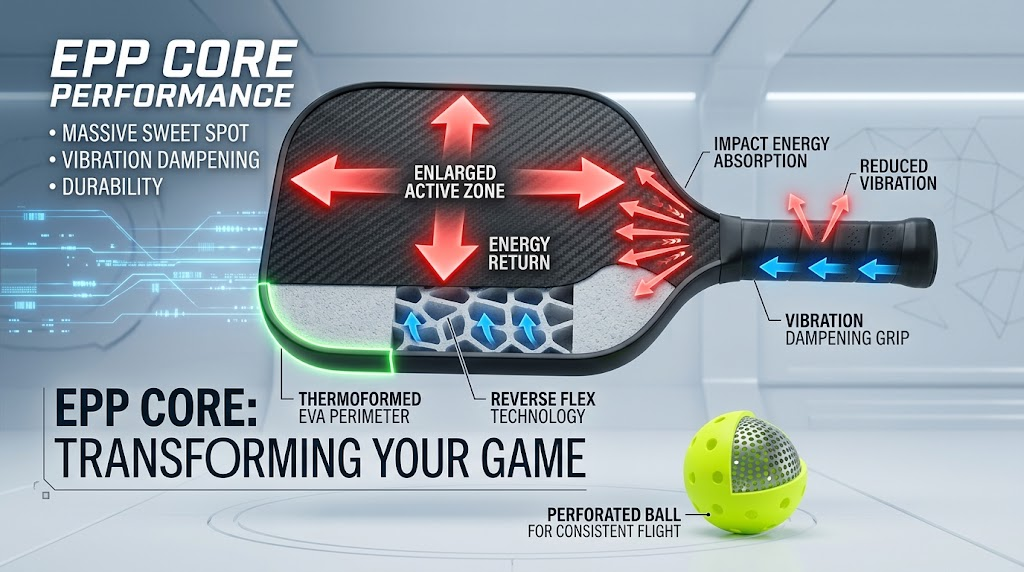
by Edward lee | Sep 9, 2026 | Blog
Key Takeaways A paddle’s core controls rebound speed, dwell, vibration, weight and long-term consistency. Everything else — spin, shape, most of the sweet spot — comes from the face and the structure. EPP does not cost you power. It returns energy quickly, but...