by Edward lee | Sep 28, 2026 | Blog
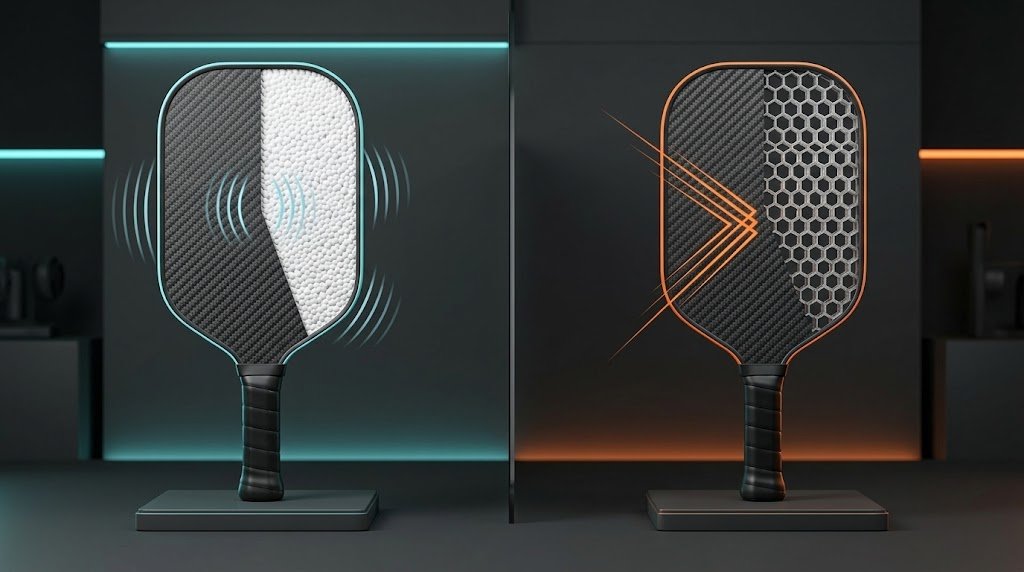
No core is better by default. EPP wins SKUs that sell comfort and durability; PP honeycomb wins SKUs that sell price and power. Picking the core before the SKU is how brands end up with the wrong paddle and a returns problem. Below: eight decision rows — weight, feel,... 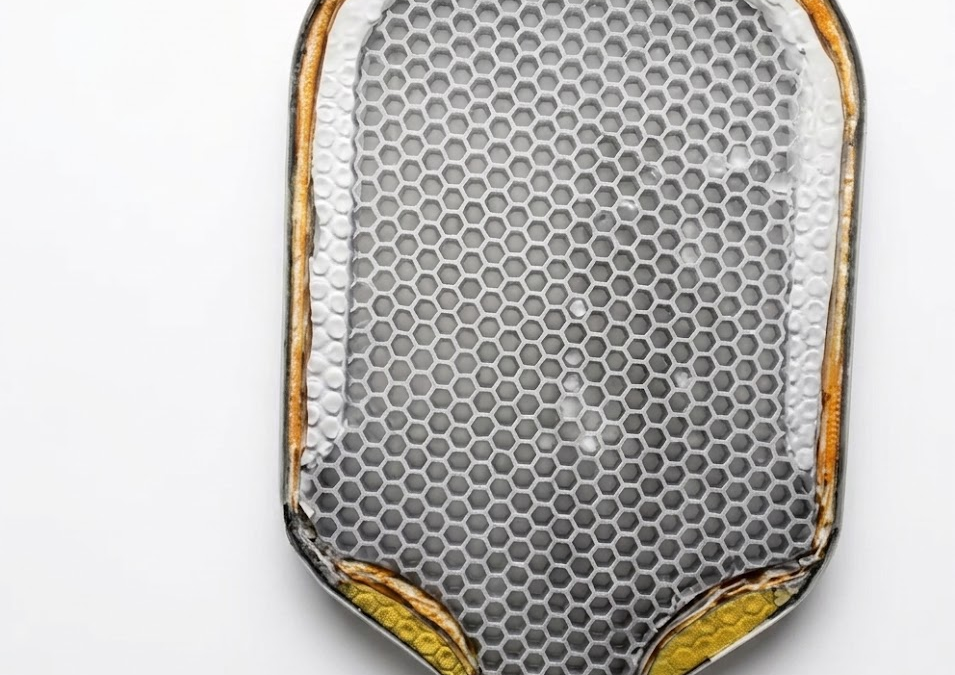
by Edward lee | Sep 28, 2026 | Blog
A Gen 4 paddle is a polypropylene honeycomb paddle with foam added in two places: the perimeter wall and the throat. The main core is still honeycomb, not solid foam. “Gen 4” is a brand-marketing label, not an official standard — no governing body defines... 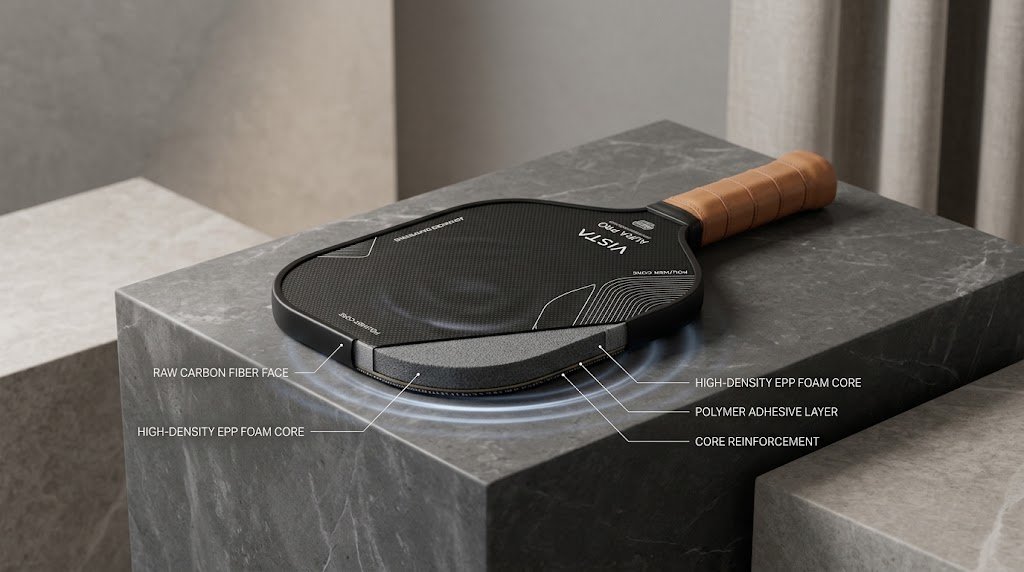
by Edward lee | Sep 16, 2026 | Blog
Short version: yes. EPP suits premium brands — but only if “premium” means durability, comfort, and consistent quality. It does not suit brands whose premium story is “the paddle this touring pro uses,” because almost no touring pro plays EPP... 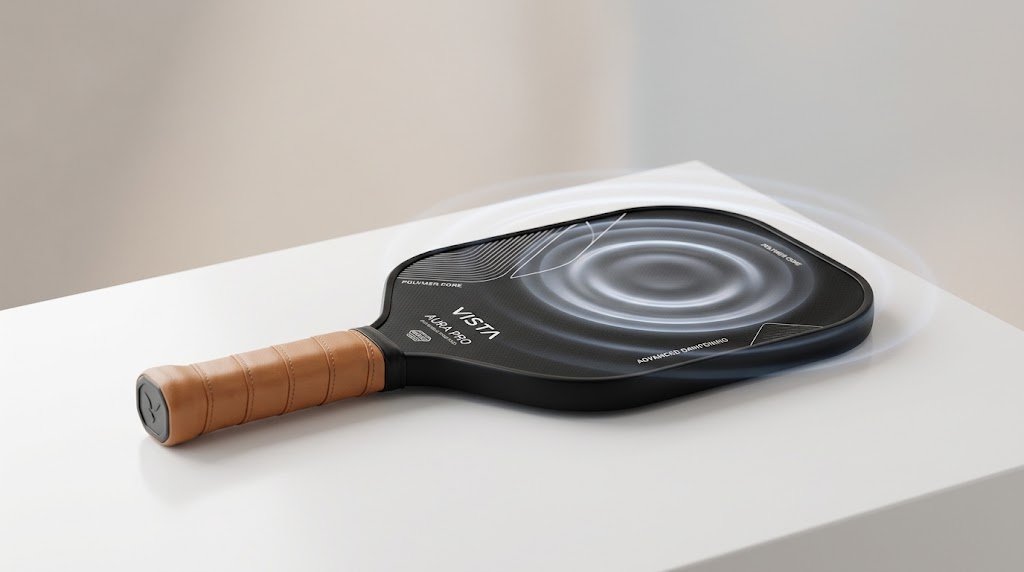
by Edward lee | Sep 16, 2026 | Blog
Play pickleball a few times a week and you know the feeling. A hard drive lands on your paddle face, and the shock travels straight into your wrist and elbow. Some paddles soak that up. Others pass it right along. This guide covers where paddle vibration comes from,... 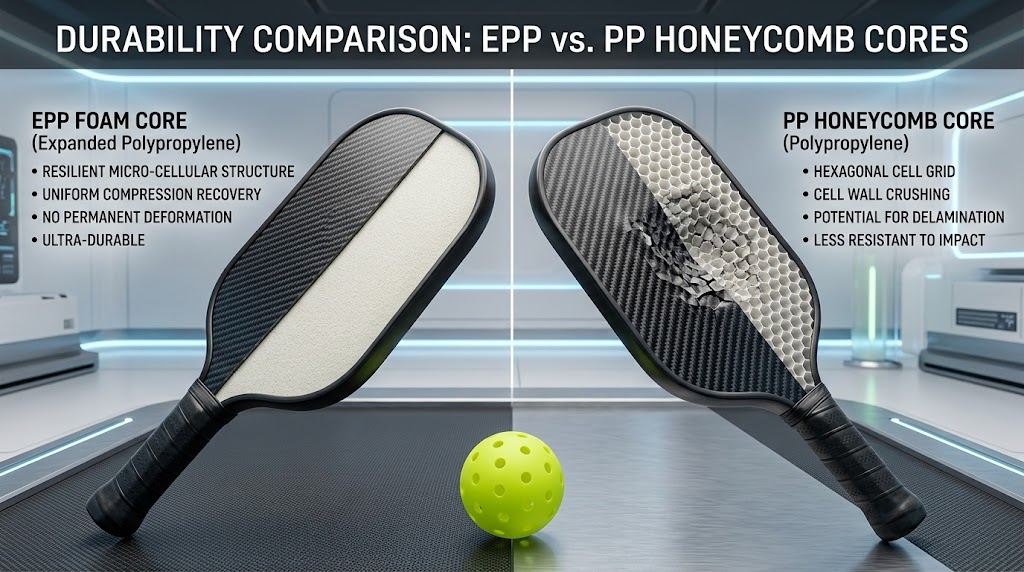
by Edward lee | Sep 14, 2026 | Blog
Key Takeaways Yes — EPP cores last longer in one key way: they don’t crush like honeycomb cores do. A crushed honeycomb core never heals. The dead spot stays forever. EPP cells compress and bounce back. The paddle feels the same in month twelve as on day one.... 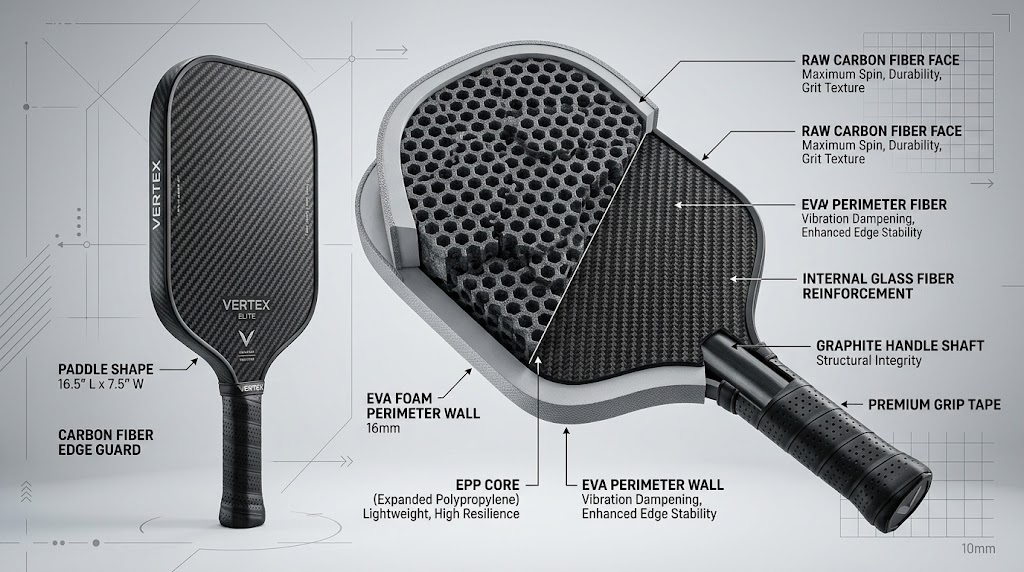
by Edward lee | Sep 9, 2026 | Blog
Key Takeaways EPP cores win on durability (no collapse), feel (quieter), and weight control. Bare EPP edges are soft and need an EVA perimeter. EPP is a premium-priced build. EPP is not “better than honeycomb” — it is different, and it suits some price...