PP Honeycomb Pickleball Paddle Manufacturer — OEM/ODM
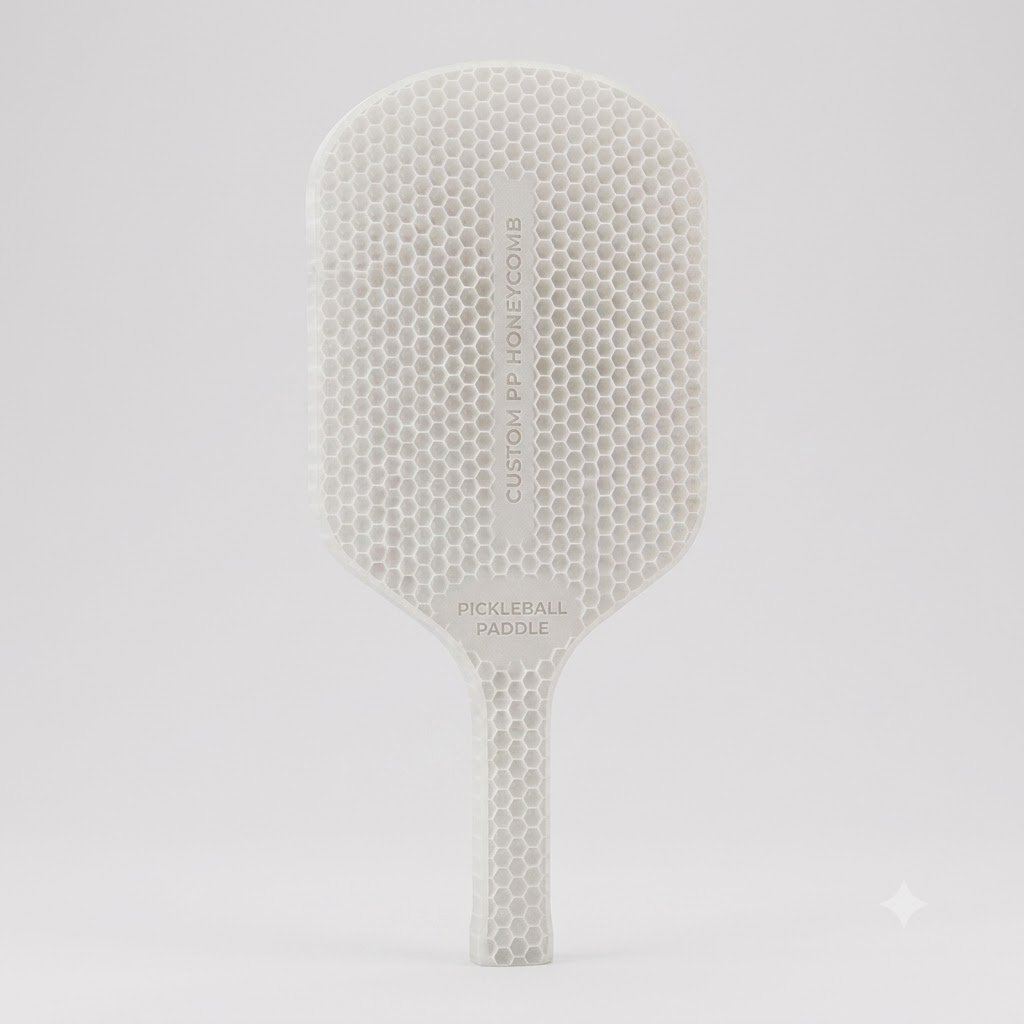
PP Honeycomb Pickleball Paddle Product Description
- PP honeycomb core — the industry’s most widely used pickleball paddle core material, compatible with cold pressed and thermoformed construction
- Face material options: Fiberglass, (Raw) Carbon Fiber (3K/12K/18K), Kevlar
- Lightweight structure — reduces paddle weight and arm fatigue during extended play
- Powerful feel — PP is stiffer than EPP/MPP, delivering stronger impact force and ball acceleration
- Standard cell size: 8mm / 10mm — proven balance of weight, strength, and cost
- Weight: 225g ±5g | Thickness: 14mm / 16mm (customizable)
- Can be combined with EVA / TPE layers for enhanced performance and dampening
- MOQ: 200 pcs | Sample: 7–10 days | Production: 30–35 days for 2,000 pcs
- Ideal for: new brands launching their first paddle, clubs needing affordable bulk inventory, promotional programs
PP Honeycomb Pickleball Paddle Product Specifications
| Parameter | Specification |
|---|---|
| Core Material | Polypropylene (PP) Honeycomb |
| Cell Size | 8mm / 10mm (standard) |
| Compatible Constructions | Cold Pressed, Thermoformed |
| Compatible Face Materials | Fiberglass, Carbon Fiber (3K/12K/18K), Raw Carbon, Kevlar |
| Compatible Core Enhancements | EVA foam layer, TPE layer (optional) |
| Weight | 225g ±5g (customizable) |
| Thickness | 14mm / 16mm (customizable) |
| Handle Type | PU Reinforced |
| Shape | Standard / Elongated / Custom |
| Edge Guard | Customizable color and material |
| Grip | Custom color, logo, material |
| End Cap | Custom logo and color, silicone band option |
| MOQ | 200 pcs |
| Sample Lead Time | 7–10 days |
| Production Lead Time | 30–35 days for 2,000 pcs |
| Monthly Capacity | 100,000 pcs (cold press) / 80,000 pcs (thermoformed) |
| Certification | ISO / BSCI available upon request |
| Payment Terms | T/T, L/C, Western Union |
| Port of Shipment | Shenzhen / Shanghai / Ningbo, China |
PP Honeycomb Pickleball Paddle Key Features
1. Industry Standard Core — Proven at Every Level
PP honeycomb is the most widely used core material in the pickleball industry — from entry-level recreational paddles to premium tournament models. Its long track record means:
- Consistent quality across production batches — mature supply chain and manufacturing process
- Broad compatibility with all face materials and paddle constructions
- Easier sourcing — PP honeycomb is widely available, reducing raw material lead time
- Predictable performance — your customers know and trust the feel of PP honeycomb
2. Lightweight — Reduced Fatigue for Longer Play
The honeycomb structure of PP creates an excellent strength-to-weight ratio. A typical PP honeycomb paddle weighs in at 225g ±5g, significantly lighter than solid-core alternatives. This means:
- Less arm strain during extended play sessions
- Faster swing speed and better maneuverability at the net
- Suitable for players of all ages and skill levels
3. Powerful, Stiff Feel — Built for Power Players
Compared to softer core materials like EPP, PP honeycomb is stiffer and more responsive, delivering:
| Core Type | Stiffness | Power Output | Best For |
|---|---|---|---|
| PP Honeycomb | High | High | Power players, hard hitters |
| EPP | Medium | Medium | Balanced all-court play |
| MPP | Medium-High | Medium-High | Durability-focused players |
For brands targeting players who want explosive power and decisive impact, PP honeycomb is the right choice.
4. Wide Material Compatibility
PP honeycomb core works seamlessly with all major face materials:
| Face Material | Best Use Case |
|---|---|
| Fiberglass (cold press) | Entry-level, budget-friendly, fast production |
| Carbon Fiber (thermoformed) | Mid-range to premium, higher performance |
| Kevlar (thermoformed) | Ultra-durable, impact-resistant premium paddles |
| Raw Carbon (thermoformed) | Premium aesthetic, natural carbon look |
This flexibility means you can build an entire product line — from $20 entry paddles to $150 premium models — on the same PP honeycomb core platform.
5. Enhanced with EVA / TPE (Optional Upgrade)
PP honeycomb can be combined with EVA (Ethylene-Vinyl Acetate) or TPE (Thermoplastic Elastomer) layers to:
- Dampen vibration — softer feel on impact, reduced hand fatigue
- Improve control — better touch on dinks and soft shots
- Extend core life — EVA/TPE layer helps distribute impact stress
This combination is becoming increasingly popular in mid-range to premium paddles as a way to get “the best of both worlds” — PP power with enhanced comfort.
6. Fast Production & Low Cost — Ideal for Market Entry
PP honeycomb paddles — especially with fiberglass faces and cold press construction — offer the fastest and most cost-effective path to bringing a pickleball paddle brand to market:
- Tooling cost: Minimal (no custom mold required for standard shapes)
- Production speed: 7-day sample, 30-day production
- Unit cost: Entry-level pricing that allows competitive retail positioning
- MOQ: Low at 200 pcs — ideal for testing the market
What to Know About PP Honeycomb (Transparency)
| Consideration | Detail | Our Solution |
|---|---|---|
| Core collapse risk | PP honeycomb can collapse under repeated high-impact play over time | We offer EPP/MPP upgrades for premium lines |
| Fossil fuel dependency | PP is petroleum-based; oil price affects raw material cost | We buffer with bulk purchasing and stable supplier relationships |
| Degradation | Slow natural degradation | Standard for the industry; recyclable where facilities exist |
PP honeycomb is an excellent core material — and for brands targeting higher price points, we recommend upgrading to EPP or MPP core for maximum durability.
PP Honeycomb Pickleball Paddle Package
Standard Packaging
| Item | Details |
|---|---|
| Inner | PE bag + Bubble bag (individual protection) |
| Carton Size | 65 × 50 × 35 cm |
| Quantity | 50 pcs per carton |
| Gross Weight | ~12.5 kg per carton |
Custom Packaging Options
- Retail-ready color box with brand design
- Hanging hook / peg display packaging
- UPC barcode / Amazon FNSKU label
- Custom instruction manual or brand insert
- Polybag with custom print
- Custom carton printing with logo
- Sets bundle (2 paddles + balls + bag)
- FBA-ready packaging with prep service
PP Honeycomb Pickleball Paddle Customization
Core Options
- PP Honeycomb (standard) — 8mm / 10mm cell
- PP + EVA layer — enhanced dampening and control
- PP + TPE layer — improved vibration absorption
- Upgrade to EPP or MPP core available on request
Face Material
- Fiberglass (standard, cold press)
- Carbon Fiber — 3K / 12K / 18K
- Raw Carbon (uncoated natural finish)
- Kevlar
Paddle Shape
- Standard / Wide Body
- Elongated
- Custom mold development (for thermoformed)
Edge Guard, Grip & End Cap
- Edge guard: Custom color, adjustable width
- Grip: Custom color and logo; PU leather, cushioned, perforated
- End cap: Custom logo (deboss/emboss/print), custom color,
- Custom silicone band
Logo Application
- Silkscreen printing
- Heat transfer / thermal printing
- UV printing
- Deboss / emboss on end cap
Packaging
- As detailed in the Package section above
Customization Process
1. Inquiry & Needs Discussion
2. Design Confirmation (artwork + spec sheet)
3. Sample Making (7–10 days)
4. Sample Approval
5. Mass Production (30–35 days for 2,000 pcs)
6. QC Inspection
7. Shipping
FAQ
Q1: What is PP honeycomb core?
A: PP honeycomb is a polypropylene honeycomb structure used as the core layer in pickleball paddles. It is the most popular core material in the industry due to its light weight, low cost, and powerful playing characteristics.
Q2: Is PP honeycomb good for pickleball paddles?
A: Yes. PP honeycomb is the mainstream standard used by leading brands across all price segments. It offers an excellent balance of weight, power, and cost. For premium lines, many brands add EVA/TPE layers or upgrade to EPP/MPP core.
Q3: What is the difference between PP honeycomb and EPP/MPP core?
A: PP is stiffer and more powerful but more prone to core collapse over time. EPP has better impact resistance and longer structural life. MPP offers a balance between PP and EPP. We offer all three options so you can choose the right fit for your price point.
Q4: What size PP honeycomb cells do you use?
A: Standard cell sizes are 8mm and 10mm. 8mm provides a denser, slightly heavier feel; 10mm is lighter and more common in entry-level paddles.
Q5: Can PP honeycomb be used in both cold pressed and thermoformed paddles?
A: Yes. PP honeycomb is compatible with both cold press and thermoformed construction processes.
Q6: What is the MOQ for PP honeycomb paddles?
A: 200 pcs per design. PP honeycomb is widely available and does not require special ordering, so the standard MOQ applies.
Q7: What is the lead time?
A: Sample: 7–10 days from design confirmation. Mass production: approximately 30–35 days for 2,000 pcs.
Q8: Can I add EVA or TPE to PP honeycomb for better feel?
A: Yes. We offer optional EVA or TPE layers combined with PP honeycomb to improve vibration dampening and control feel. This is a popular upgrade for mid-range paddles.
Q9: Who is the target customer for PP honeycomb paddles?
A: PP honeycomb paddles are ideal for new brands launching their first product, clubs buying in bulk for members, promotional/giveaway programs, and any brand that wants a proven, cost-effective core platform.
Q10: What face materials work best with PP honeycomb?
A: All major face materials work well: fiberglass (entry-level, cold press), carbon fiber (mid-to-premium, thermoformed), Kevlar (premium, thermoformed), and raw carbon (premium aesthetic).
About Us
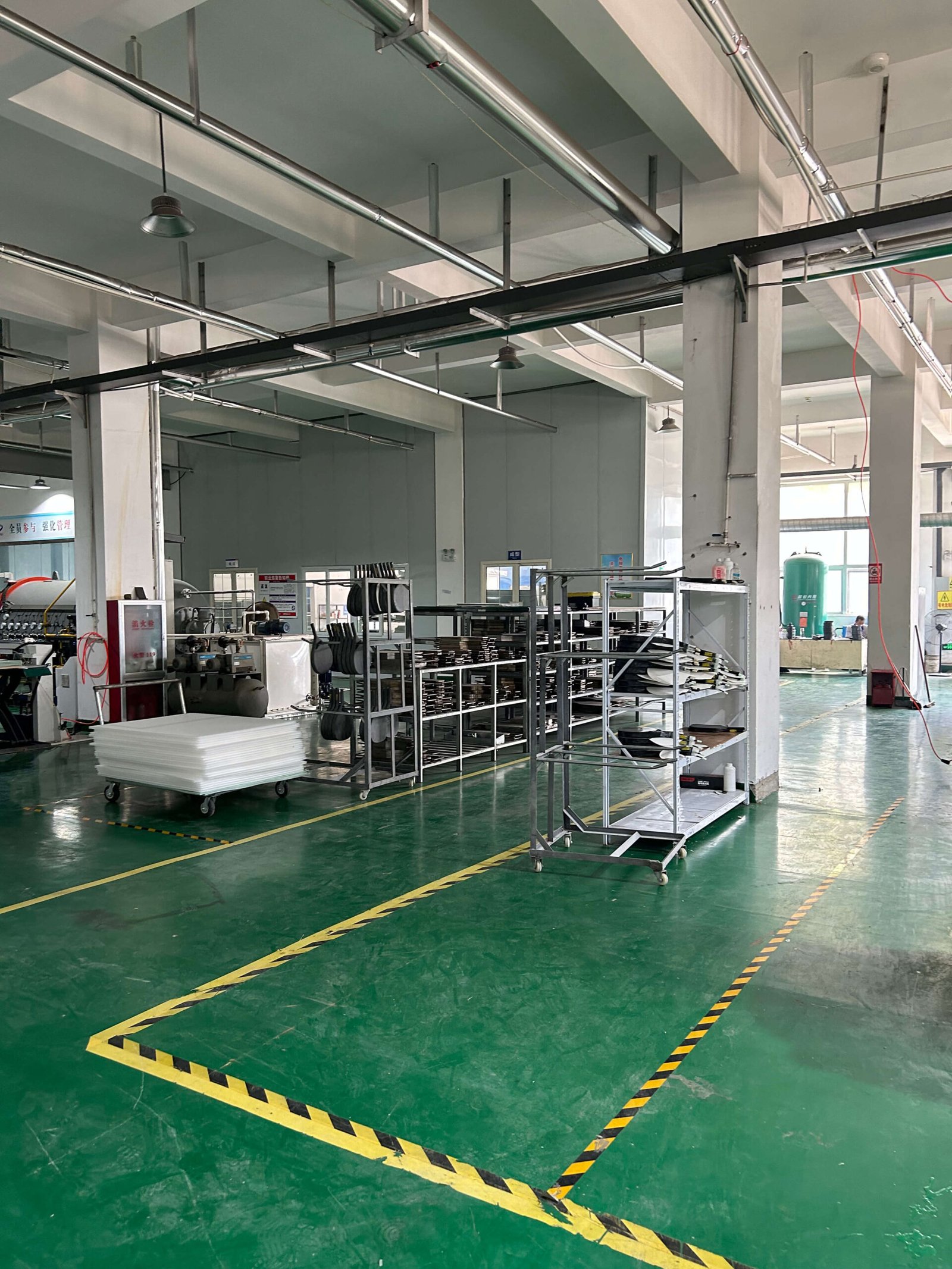
LixiSports is a carbon fiber pickleball paddle manufacturer serving brands, distributors, and clubs worldwide through OEM, ODM, and OBM partnerships. With 9+ years of racket-sports experience, we handle everything from design to delivery under one roof.
Factory & Capacity
- Dual production bases: China (6,000 m²) + Vietnam (3,500 m²) for supply security and tariff flexibility
- 180,000 pcs/month combined capacity (cold press + thermoformed)
- Playable samples in 7 days; MOQ 200 pcs
Technology & R&D
- 55+ patents in racket technology
- In-house R&D team led by a professor with 20 years of experience, in partnership with a university composite research center
- Proprietary ceramic sand infused surface for 2× friction durability on raw carbon faces
Compliance & Quality
- USAP / UPA-A compliant designs with in-house testing
- Multi-point QC from layup to packaging
One Partner, Full Line
- Carbon fiber, fiberglass, and hybrid paddles; custom cores, grips, edge guards, and packaging
- From first sample to full-container orders — we’re your single source from concept to market.
Related products
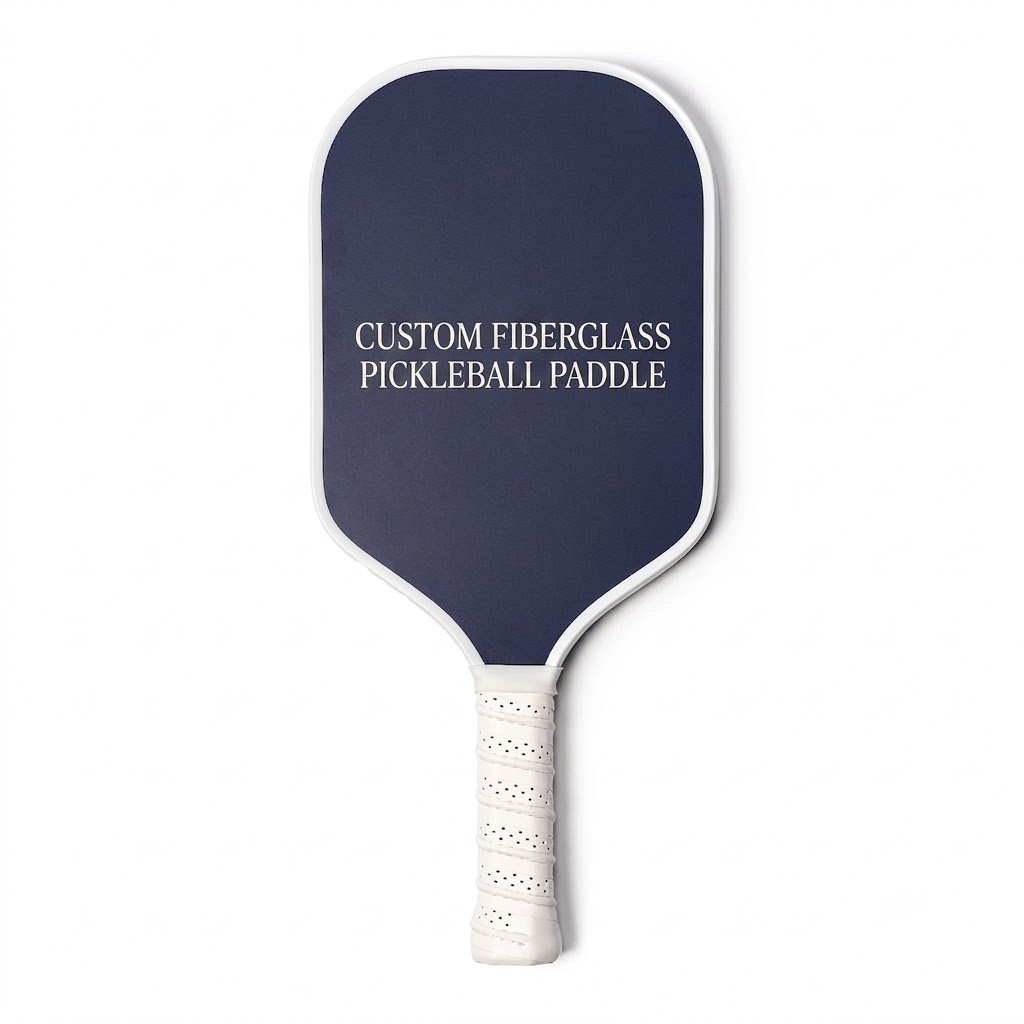
Wholesale Fiberglass Pickleball Paddle
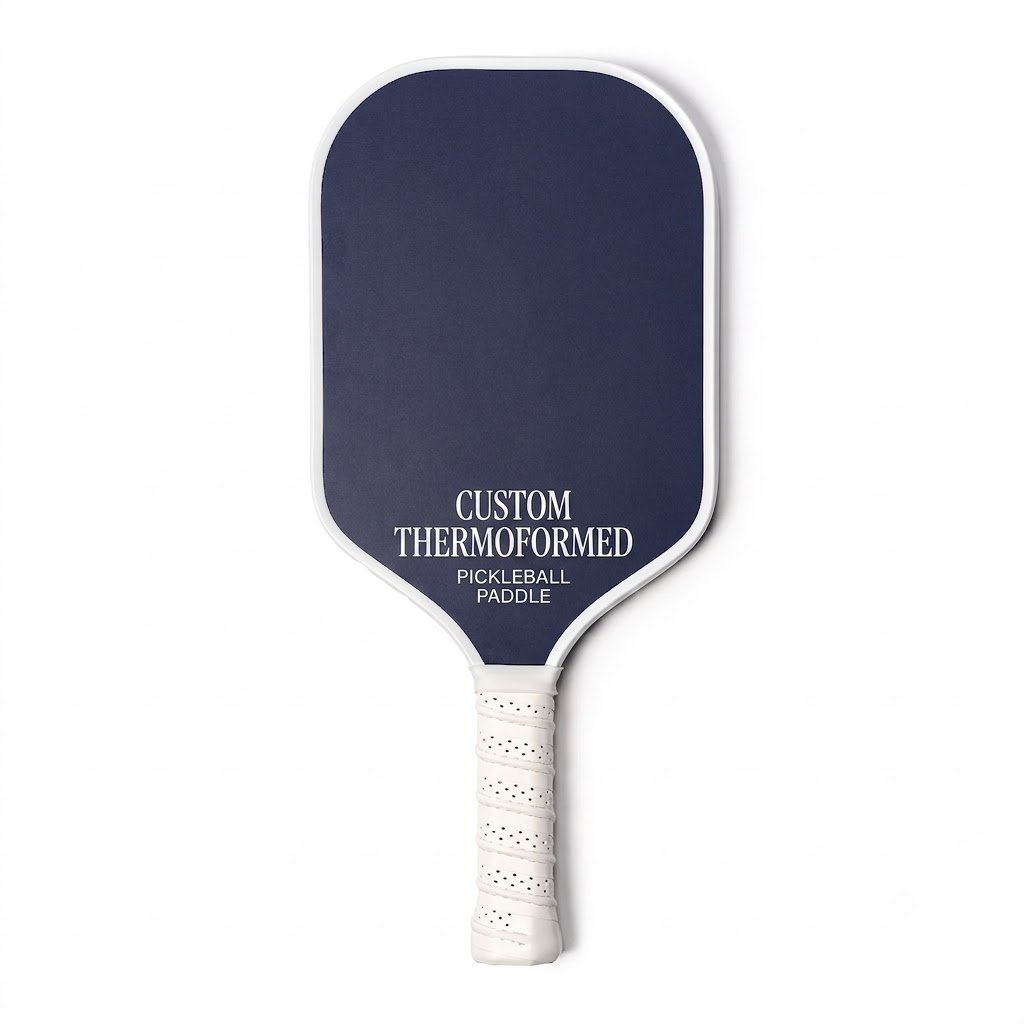
Wholesale thermoformed Pickleball Paddle
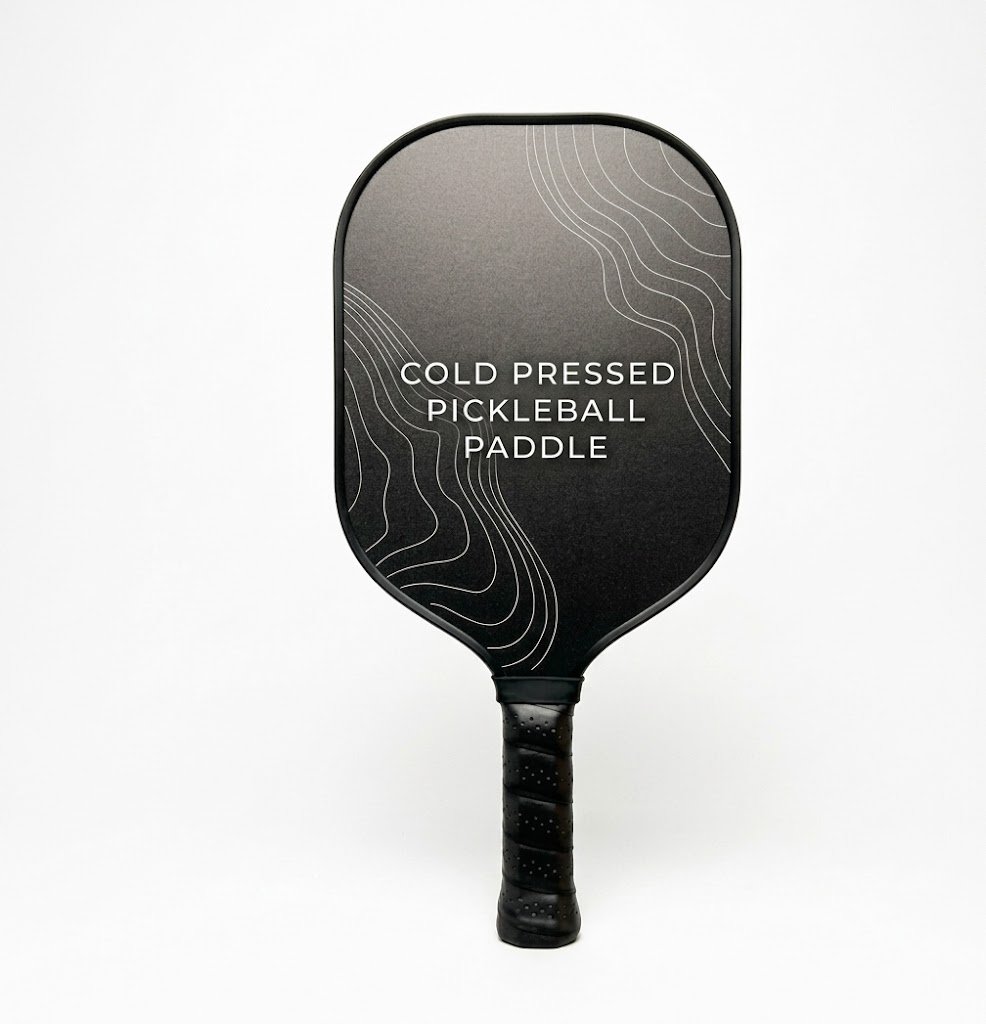
Wholesale cold pressed Pickleball Paddle