EPP Core Pickleball Paddle — OEM / ODM Manufacturer
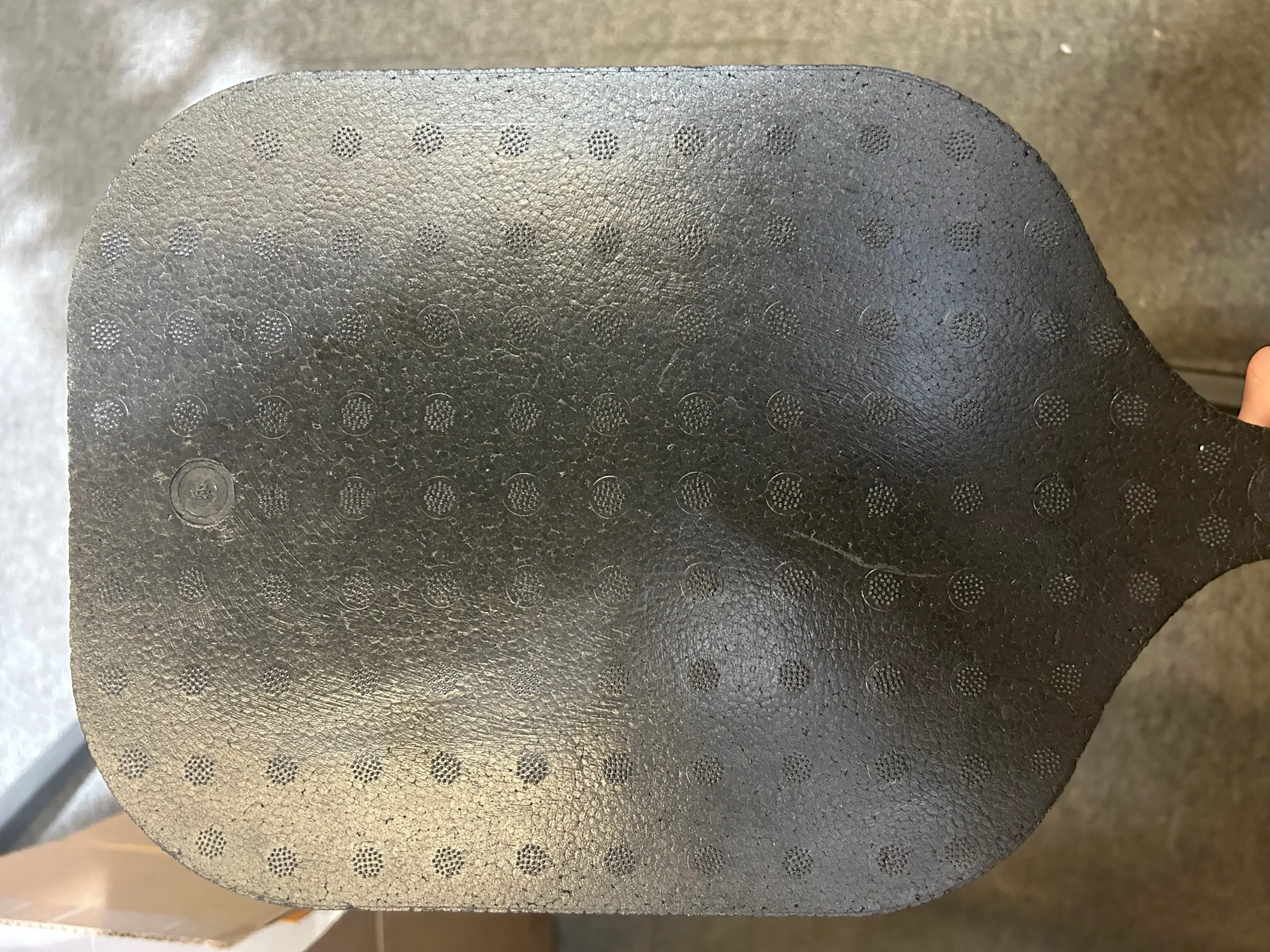
EPP Core Pickleball Paddle Product Description
- Lightweight Feel, Superior Control — EPP (Expanded Polypropylene) foam core reduces paddle weight, allowing quicker hand speed and less fatigue during extended play
- No Core Crushing — Unlike standard PP honeycomb cores that collapse over time, EPP maintains its structure after thousands of impacts — paddle stays crisp, not mushy
- Vibration Damping for Comfort — EPP’s closed-cell foam structure absorbs shock naturally, giving players a smoother feel and reducing arm fatigue
- Eco-Friendly & Recyclable — EPP is 100% recyclable, aligning with the growing demand for sustainable sporting goods
- EPP + EVA Edge Reinforcement — Our proprietary dual-material construction adds EVA foam around the perimeter, solving the “soft edge” limitation of pure EPP while keeping the core lightweight and responsive
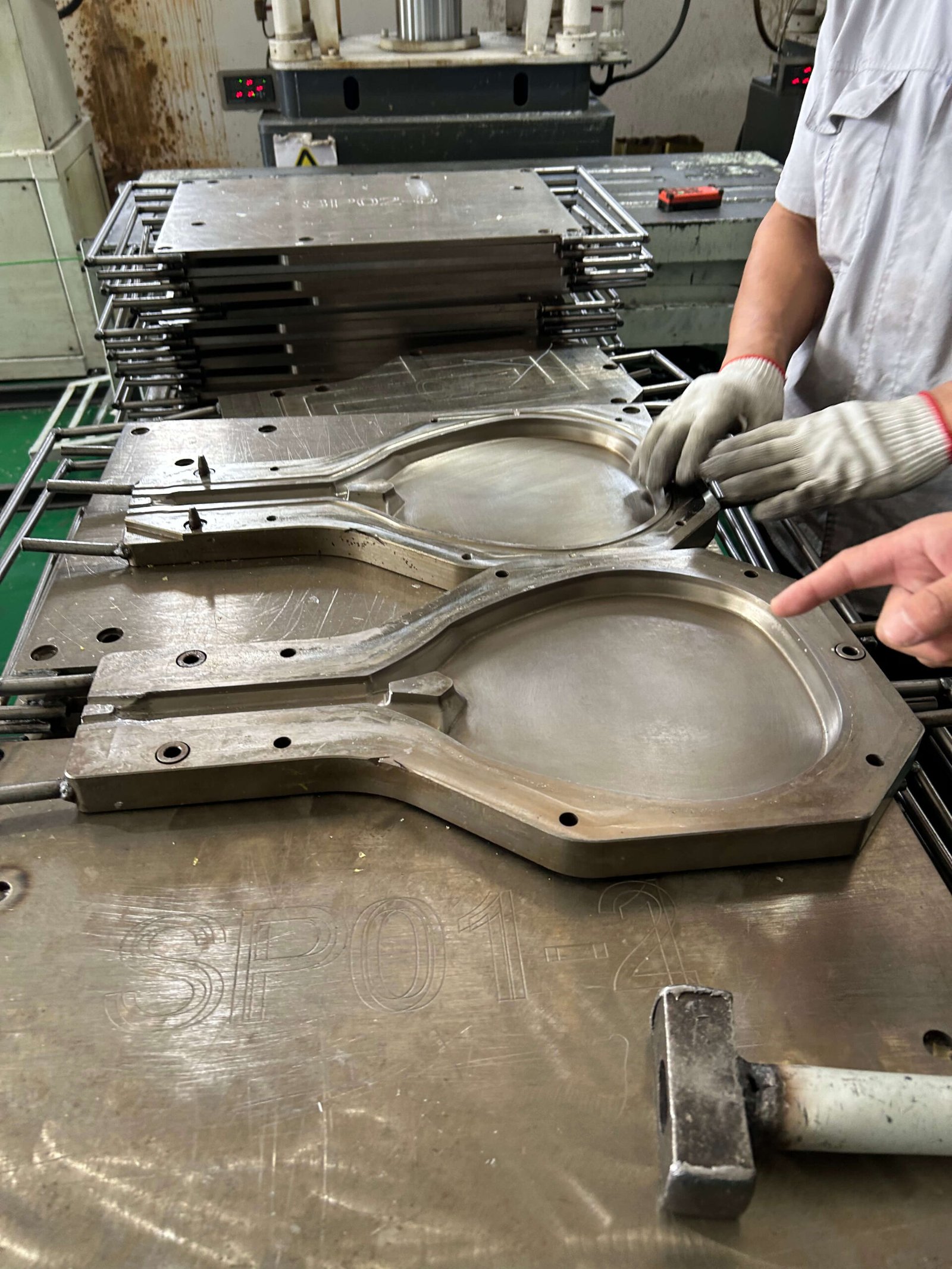
- Thermoformed or Cold Press — Available in both processes, compatible with raw carbon, fiberglass, and 3K/12K/18K carbon fiber face materials
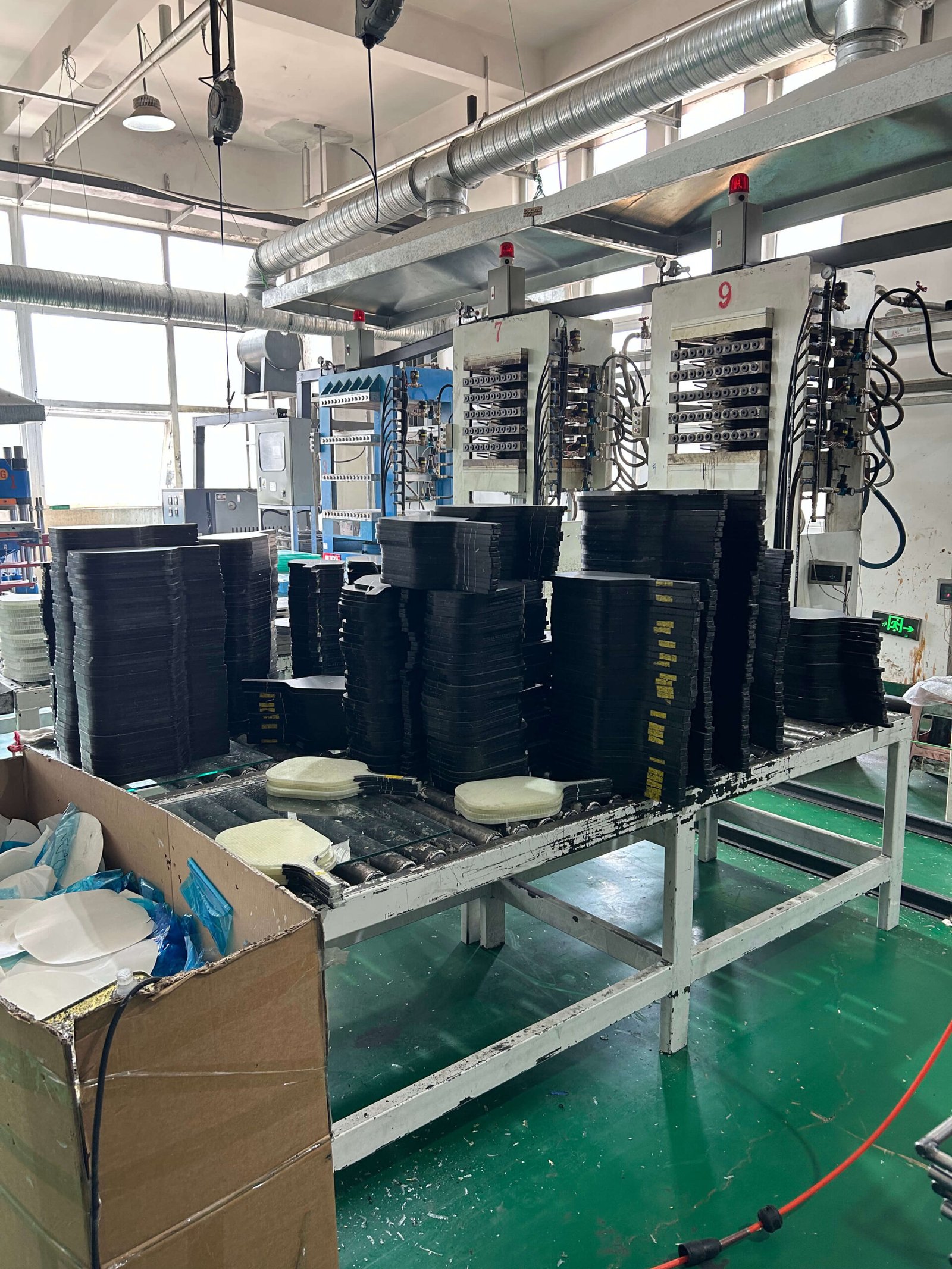
- B2B Ready — MOQ 200 pcs, sample in 7–10 days, bulk delivery in ~35 days, monthly capacity 80,000 pcs
EPP Core Pickleball Paddle Product Specifications
| Parameter | Specification |
|---|---|
| Core Material | EPP (Expanded Polypropylene) foam |
| Edge Reinforcement | EVA foam perimeter ring (optional) |
| Face Materials | Raw carbon fiber, 3K/12K/18K carbon, fiberglass, Kevlar |
| Manufacturing Process | Thermoformed (hot press) / Cold press |
| Available Thicknesses | 14 mm / 16 mm / custom |
| Paddle Weight | 225 g ± 5 g (standard range) |
| Paddle Shapes | Standard (16″×8″), Elongated (16.5″×7.5″), Hybrid |
| Grip Circumference | 4.0″ – 4.5″ (customizable) |
| Edge Guard | TPU / rubber (standard or custom color) |
| MOQ | 200 pcs per model |
| Sample Lead Time | 7 – 10 days |
| Bulk Lead Time | ~35 days (for orders ≤ 2,000 pcs) |
| Monthly Capacity | 80,000 pcs (thermoformed line) |
| Compliance | USAP / UPA-A regulation compliant |
| Packaging | PE bag + bubble wrap; export carton 65×50×35 cm, 50 pcs/ctn, ~12.5 kg |
| Custom Packaging | Retail box, hang tag, UPC barcode, Amazon-ready |
EPP Core Pickleball Paddle Key Features
1. Extended Core Life – No Collapse, No Dead Spots
Traditional PP honeycomb cores compress and collapse after repeated ball impact, creating “dead spots” that reduce performance. EPP’s closed-cell foam structure is inherently resilient — it springs back hit after hit, maintaining consistent ball response over months of play. For brands, this means fewer warranty returns and higher customer satisfaction.
2. Lightweight Without Sacrificing Strength
EPP has one of the best strength-to-weight ratios among paddle core materials. At just 225 g ± 5 g, our EPP paddles give players fast hand speed at the net while still delivering enough mass for stable groundstrokes. Ideal for control-oriented players and those transitioning from heavier paddles.
3. Superior Vibration Absorption
The micro-cellular structure of EPP naturally dissipates impact vibration before it reaches the player’s hand. This makes EPP-core paddles especially popular with:
- Pickleball clubs and academies where players train for hours
- Senior or recreational players concerned with arm fatigue
- Brands positioning paddles as “arm-friendly” or “comfort-focused”
4. EPP + EVA Hybrid Edge – The Best of Both Worlds
Solo EPP cores can feel too soft around the paddle perimeter, reducing stability on off-center hits. Our engineered solution adds an EVA foam ring around the core edge:
- Stronger frame — perimeter reinforcement prevents edge deformation
- Larger effective sweet spot — more forgiveness on mis-hits
- Better torsion control — paddle face stays square through impact
- No added weight penalty — EVA ring adds minimal mass
5. Eco-Friendly Positioning – A Growing Market Advantage
EPP is 100% recyclable and produced with lower energy consumption than many alternative core materials. As more pickleball brands seek sustainability as a differentiator, EPP-core paddles offer a tangible environmental story to tell end consumers.
6. Full OEM / ODM / OBM Capability
Whether you have an existing design or need us to develop one from scratch:
- OEM — Manufacture your design to spec with EPP core integration
- ODM — Co-develop paddle shape, weight distribution, and surface finish
- OBM — Choose from our in-house designs, add your branding, and go to market fast
EPP Core Pickleball Paddle Package
Default Packaging (Included):
- Individual PE bag + bubble wrap per paddle
- Export standard carton: 65 × 50 × 35 cm
- 50 paddles per carton
- Carton weight: ~12.5 kg
Custom Packaging Options:
- Retail-ready color box with brand printing
- Paddle cover / carry case (optional)
- Hang tag with brand logo, SKU, and barcode
- UPC / Amazon FBA-ready labeling
- Inner tray / foam insert for premium unboxing
EPP Core Pickleball Paddle Customization
Every aspect of the paddle can be tailored to your brand:
| Customization Item | Options |
|---|---|
| Paddle Shape | Standard, elongated, hybrid — tooling available upon request |
| Core Thickness | 14 mm / 16 mm / custom thickness |
| Face Material | Raw carbon, 3K/12K/18K twill carbon, fiberglass, Kevlar blend |
| Surface Treatment | Smooth, textured peel-ply, ceramic sand infused (spin surface) |
| Logo & Graphics | Screen print, UV print, water-transfer decal, sublimation |
| Edge Guard | Color-matched TPU, rubber, or edgeless design |
| Grip | PU overgrip / cushioned grip, color + logo custom |
| Bottom Cap | Custom color, with or without brand logo / silicone ring |
| Silicone Ring | Custom color, added between handle and face |
| Packaging | Retail box, hang tag, sticker, barcode, Amazon-ready poly bag |
Customization Process:
- Needs discussion & requirement confirmation
- Design & specification sign-off
- Sample production (7–10 days)
- Sample testing & feedback
- Bulk production (~35 days)
- QC inspection & shipping
EPP Core Pickleball Paddle FAQ
Q: What is the difference between EPP core and standard PP honeycomb core?
A: PP honeycomb cores are lighter and produce more power initially, but they are prone to collapsing over time, leading to dead spots and reduced performance. EPP cores are foam-based, highly resilient, and maintain their structure after thousands of impacts — they don’t crush or deform. EPP also provides better vibration damping and is fully recyclable.
Q: What is the MOQ for EPP core paddles?
A: MOQ is 200 pieces per model for standard OEM configurations. For ODM/custom designs, MOQ is typically 500 pieces. Contact our sales team for flexible options.
Q: Can I get samples first?
A: Yes. Sample production takes 7–10 days. Sample cost and shipping are charged upfront but fully deductible from your first bulk order.
Q: What is the bulk lead time?
A: Approximately 35 days for orders under 2,000 pieces. Lead time starts after deposit and design confirmation.
Q: Can EPP be combined with the ceramic sand surface technology?
A: Absolutely. EPP cores work well with all our surface technologies, including ceramic sand infused faces for enhanced spin durability. This combination gives you a lightweight, durable core + a long-lasting spin surface — a premium offering for high-end paddle lines.
Q: Which face materials work best with EPP cores?
A: Raw carbon fiber (T700) is the most common choice for EPP paddles due to its balance of weight, stiffness, and feel. We also support fiberglass, 3K/12K/18K carbon twill, and Kevlar blends.
Q: Do you use EPP alone, or do you reinforce it?
A: We recommend and commonly use an EPP + EVA hybrid construction. The EPP core provides the lightweight, responsive center, while an EVA foam perimeter ring adds edge rigidity, enlarges the sweet spot, and improves torsion stability. This solves the main limitation of pure EPP cores.
Q: Can I visit your factory?
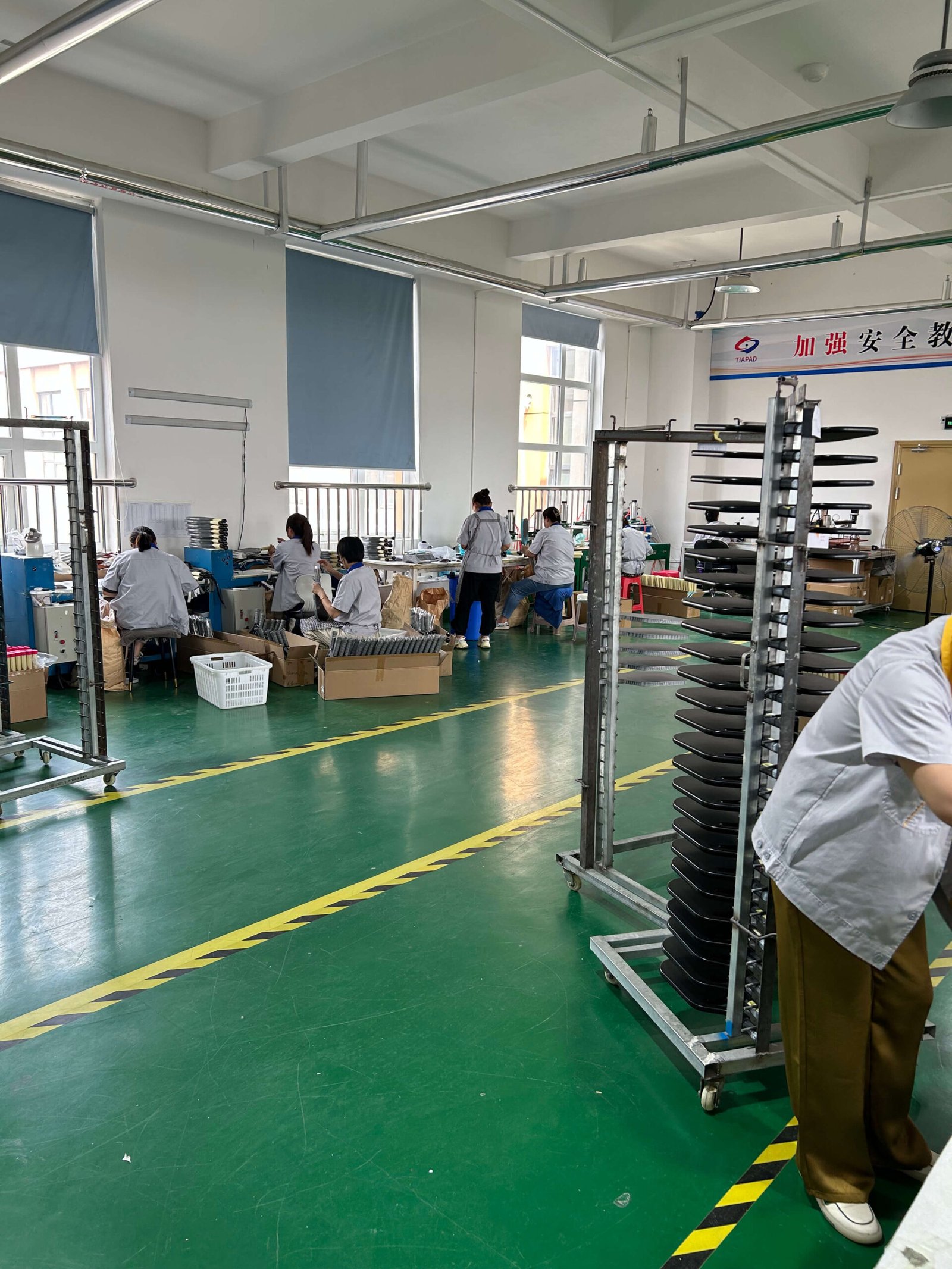
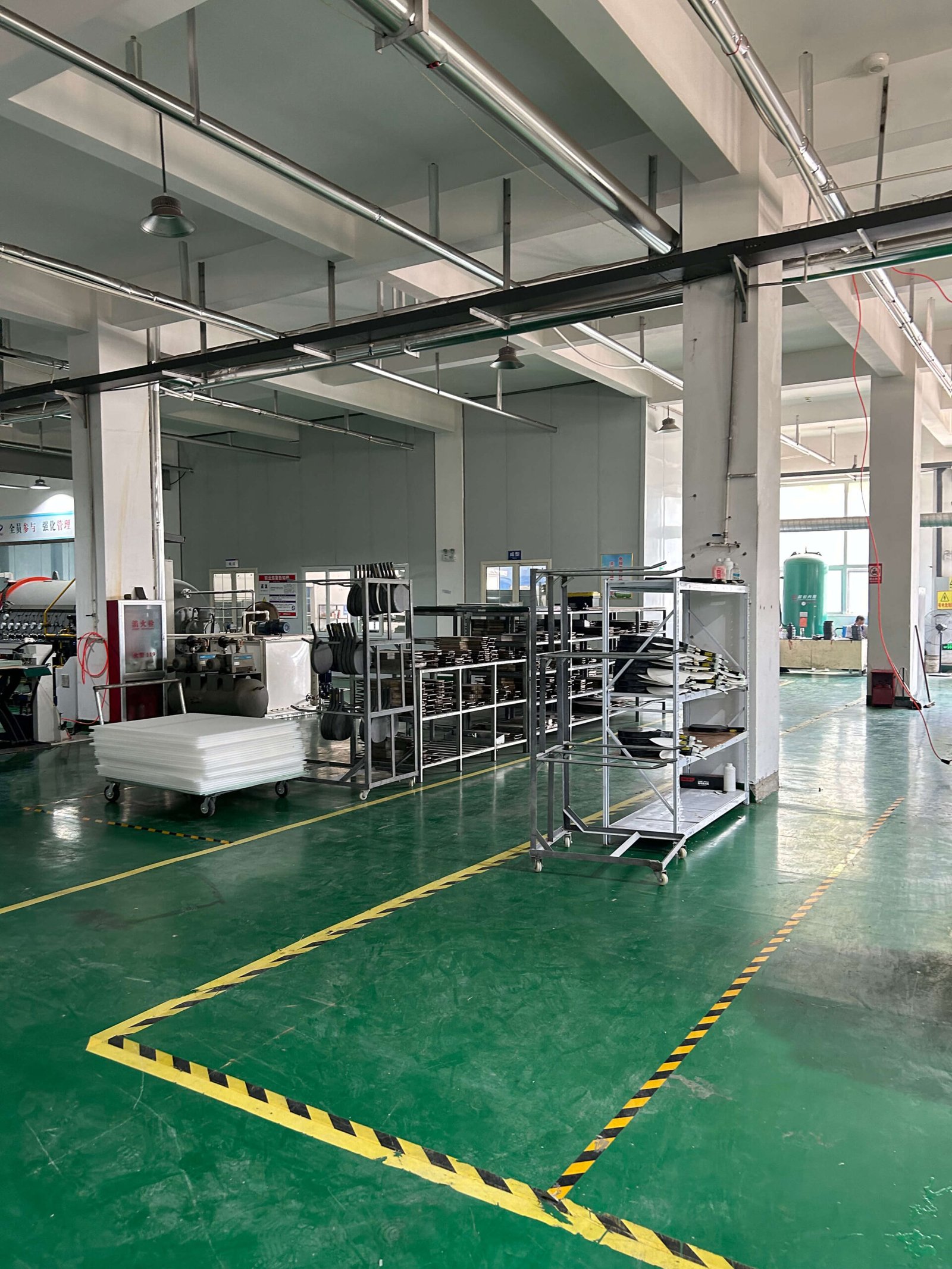
A: Yes, we welcome visits to both our China (6,000 m²) and Vietnam (3,500 m²) facilities. Virtual factory tours are also available for remote clients.
Q: What is the monthly production capacity for EPP paddles?
A: Our thermoformed (hot press) line has a monthly capacity of 80,000 paddles. Cold press line adds another 100,000 paddles/month capacity.
Q: Do your paddles comply with USAP / UPA regulations?
A: Yes. All our paddles are designed to comply with USAP and UPA-A regulations regarding size, weight, surface texture, and deflection limits. Compliance documentation can be provided.
About Us
LixiSports is a carbon fiber pickleball paddle manufacturer serving brands, distributors, and clubs worldwide through OEM, ODM, and OBM partnerships. With 9+ years of racket-sports experience, we handle everything from design to delivery under one roof.
Factory & Capacity
- Dual production bases: China (6,000 m²) + Vietnam (3,500 m²) for supply security and tariff flexibility
- 180,000 pcs/month combined capacity (cold press + thermoformed)
- Playable samples in 7 days; MOQ 200 pcs
Technology & R&D
- 55+ patents in racket technology
- In-house R&D team led by a professor with 20 years of experience, in partnership with a university composite research center
- Proprietary ceramic sand infused surface for 2× friction durability on raw carbon faces
Compliance & Quality
- USAP / UPA-A compliant designs with in-house testing
- Multi-point QC from layup to packaging
One Partner, Full Line
- Carbon fiber, fiberglass, and hybrid paddles; custom cores, grips, edge guards, and packaging
- From first sample to full-container orders — we’re your single source from concept to market.
Related products
Wholesale Fiberglass Pickleball Paddle
Wholesale thermoformed Pickleball Paddle
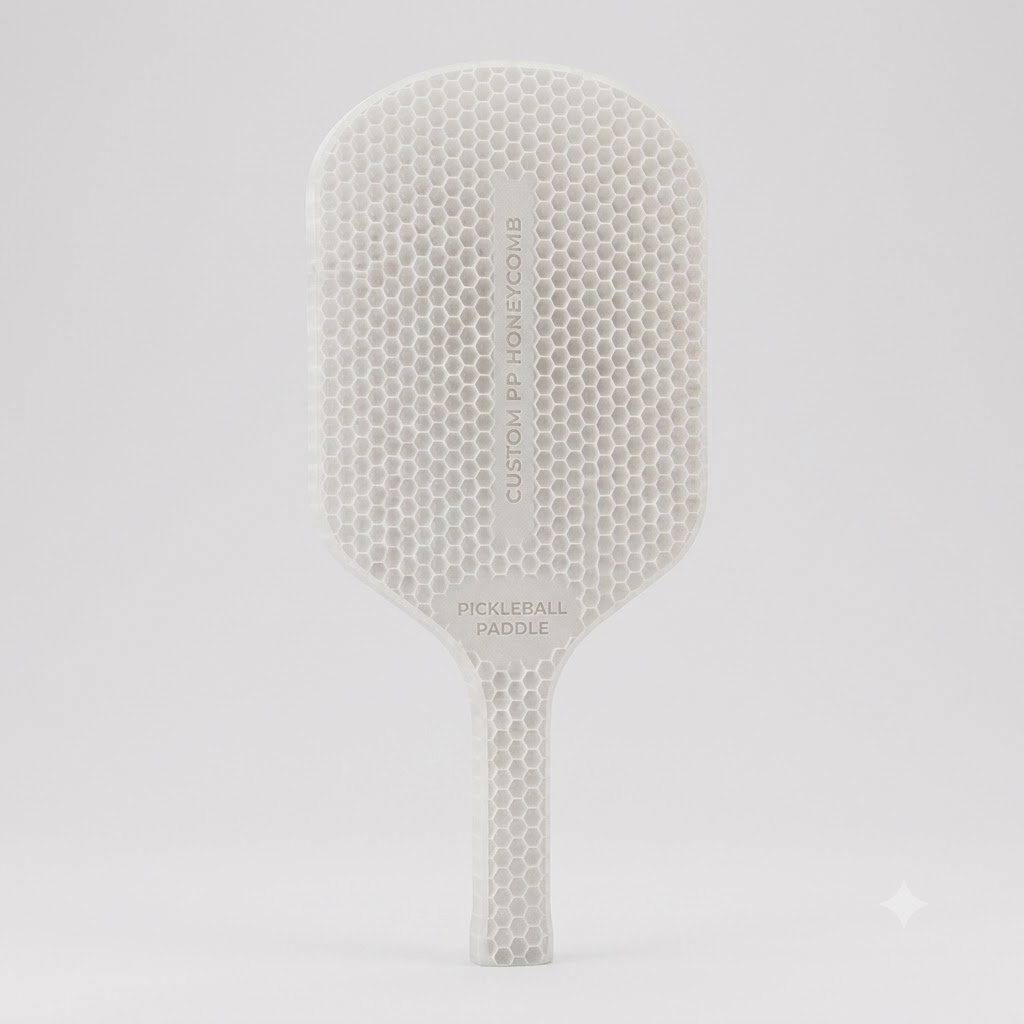
Wholesale PP Honeycomb Pickleball Paddle